I need to use AI at work.
That’s just the reality of how it is right now.
If I don’t use it, I fall behind. I don’t have a supercomputer in my head that allows me to skip using AI. I’m not a genius. So I use it.
In a professional context, that makes sense; especially when your work requires efficient output.
The more I use AI for work, the more I worry about its impact on me. I can already feel my writing skills atrophying, and it bothers me.
The moments where I’d sit with a problem and slowly work it out have been replaced with me typing prompts. I’ll admit, it’s useful. It saves me a lot of time. But I also recognize that trying to write a post completely on my own is now a struggle and that’s scary.
There’s a common argument that AI art is just the next step in democratized tools.
Photography made image-making more accessible. Digital art removed the cost of materials. Creative software let more people participate. Everyone can do it now. Everyone can share their experiences. And those experiences are part of what art is.
I actually agree with that.
Tools becoming more accessible is good. Lowering barriers is good. More people expressing themselves is good.
But something important gets lost in the jump from “accessible tools” to “AI that generates the result for you.”
Traditional tools, even digital ones are extensions of your hands. They require your taste, your decisions, your time, your frustration. And the whole learning process, mistakes included.
Beyond the ethics of art being trained on stolen work (this post isn’t about that), I’m addressing people who use AI entirely to replace the experience (of making art, writing, music etc).
If you’re looking for some well-put-together takes on AI, check out these videos
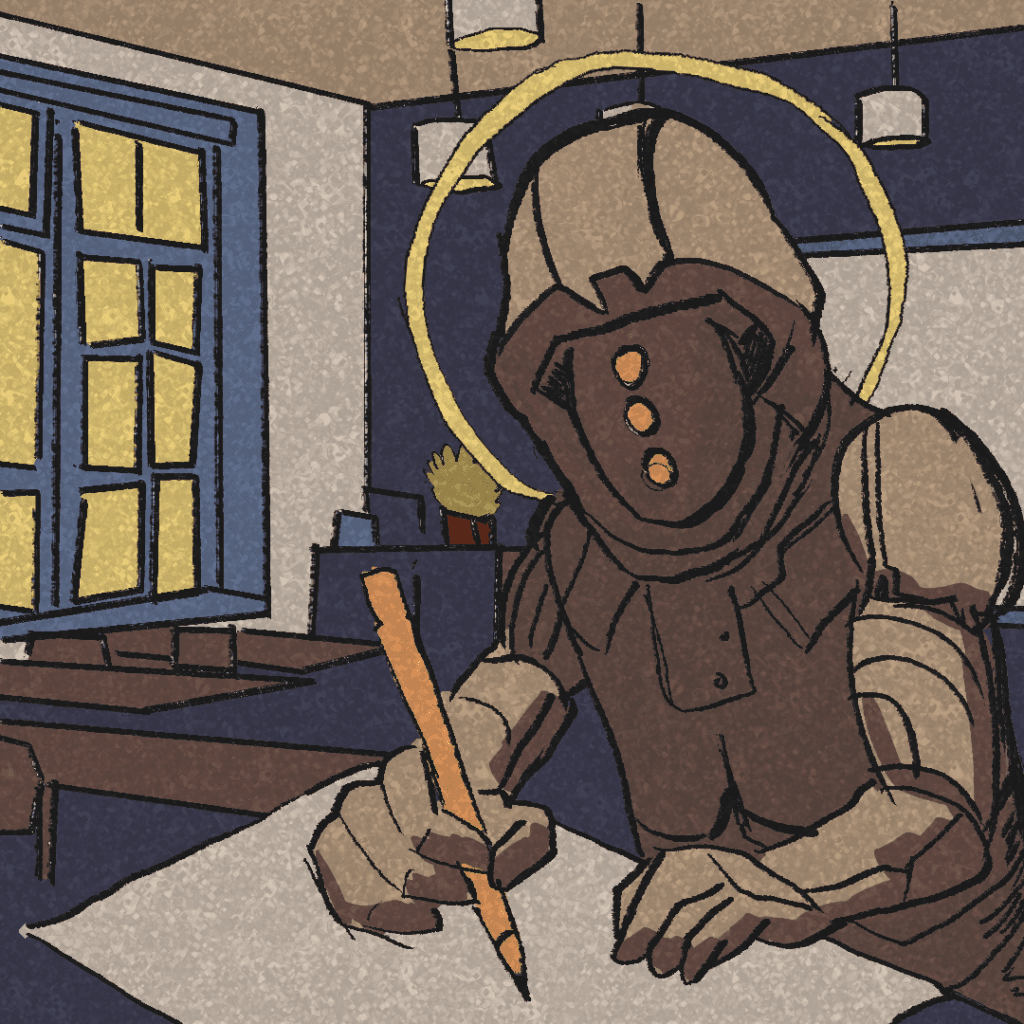
Another justification I see a lot is that criticizing AI art is ableist.
The argument goes: not everyone has the time, physical ability, or cognitive capacity to develop traditional artistic skills. AI allows them to participate. It levels the playing field.
I understand why that resonates. But I don’t think the alternative to “you can’t physically draw” is “a machine does it entirely for you.”
Art has always adapted. There are tools, techniques, accommodations, collaboration, different mediums. Expression isn’t limited to one physical pathway.
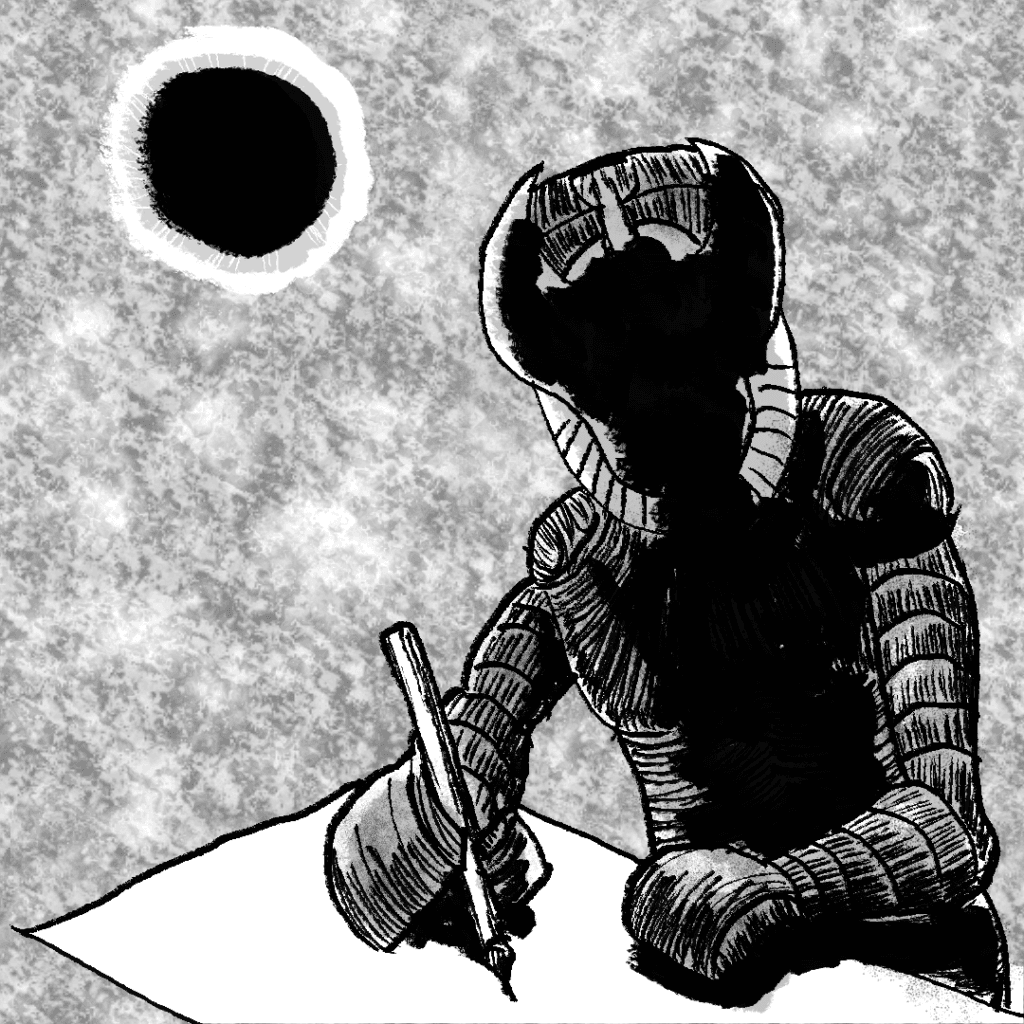
What makes art meaningful isn’t that it was hard in a universal sense. It’s that it required something from the person making it. Their perspective, limitations and problem-solving techniques. Everyone struggles and approaches something differently.
But removing the struggle entirely, removes the need to develop skill or to make decisions beyond a prompt, and changes the nature of what’s being expressed.
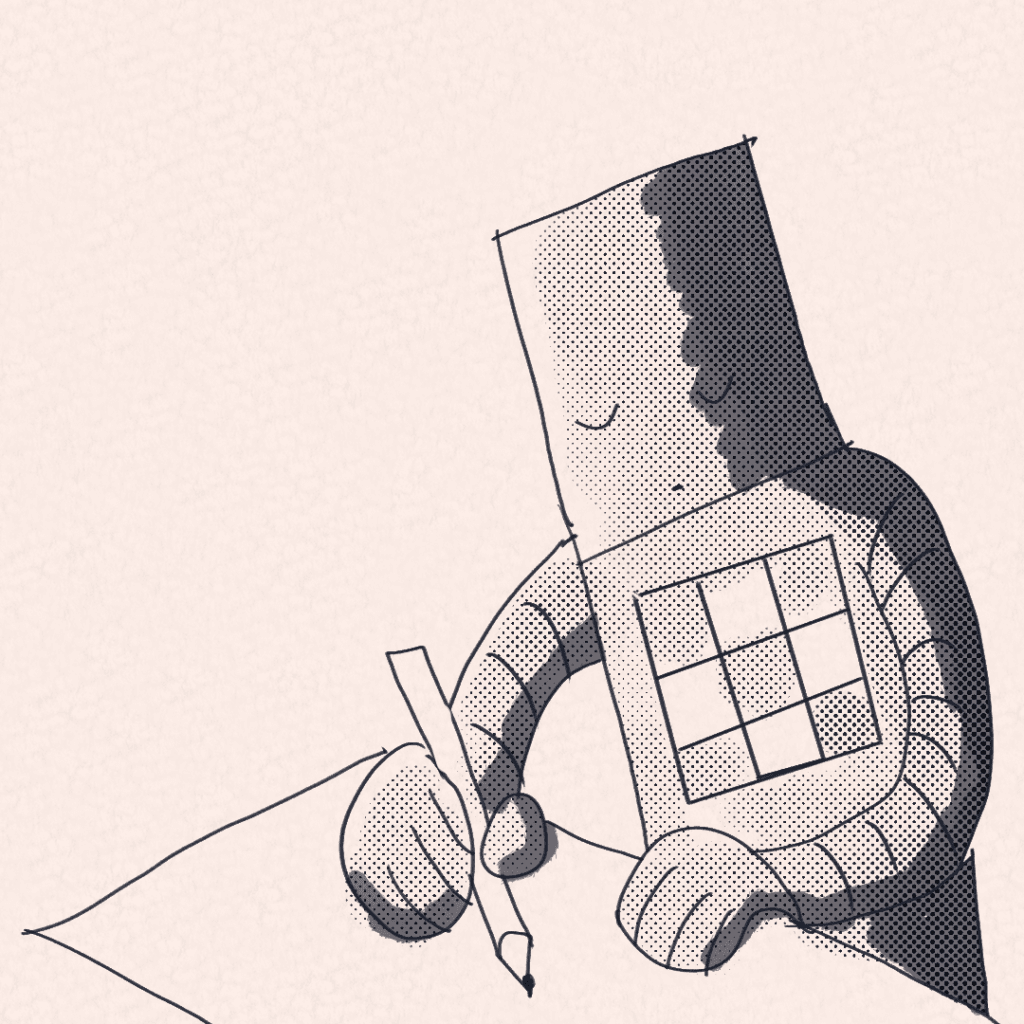
And I don’t think it’s ableist to say that the process matters. For me, it is the entire point.
The journey. The struggle. The learning. The capturing of a moment in time.
When I look at something I made years ago, I don’t just see the result. I see who I was when I made it. What I knew. What I didn’t know. The mistakes I couldn’t see yet. The things I was proud of that I’d do differently now.
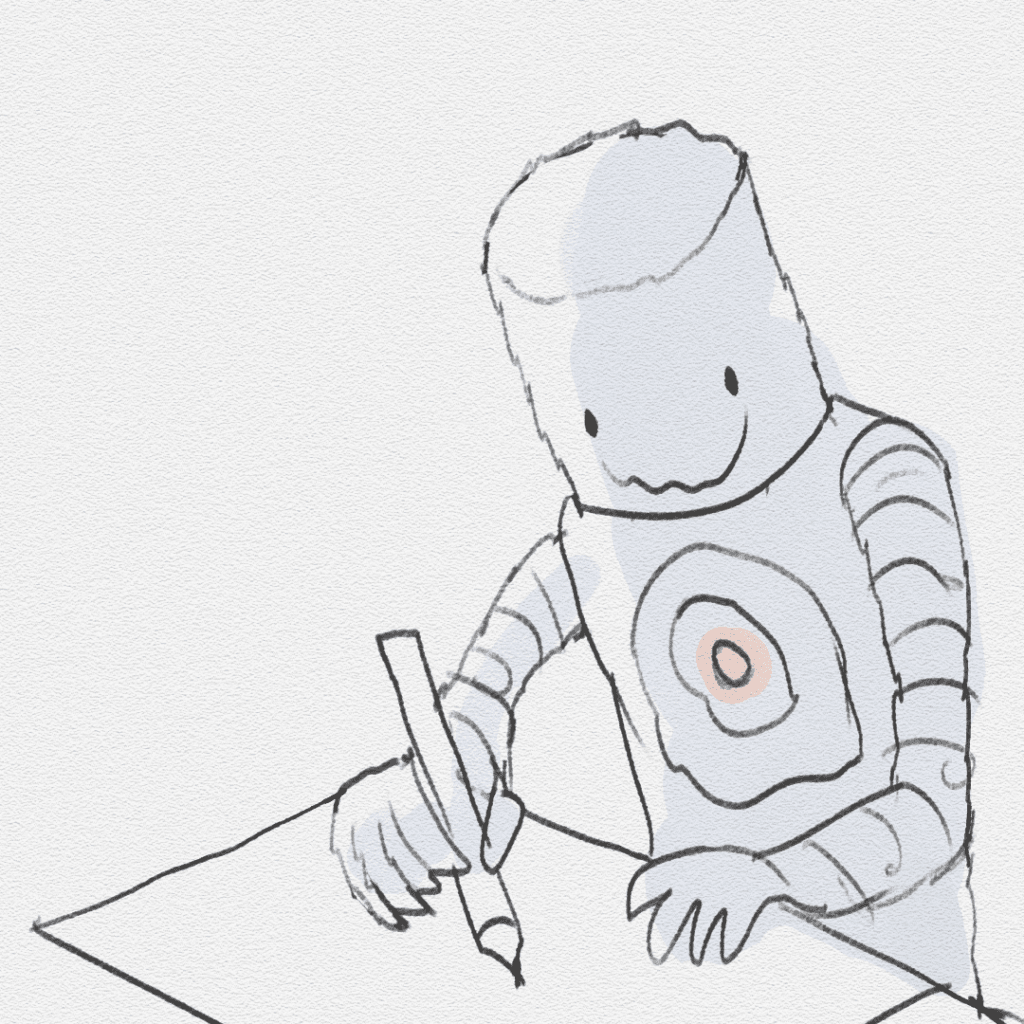
It’s a memento.
Skill expression isn’t about proving I’m talented. It’s about documenting growth.
Every piece is evidence of effort, a record of time spent, and a reminder that I cared enough to get better. That’s what makes it purposeful.
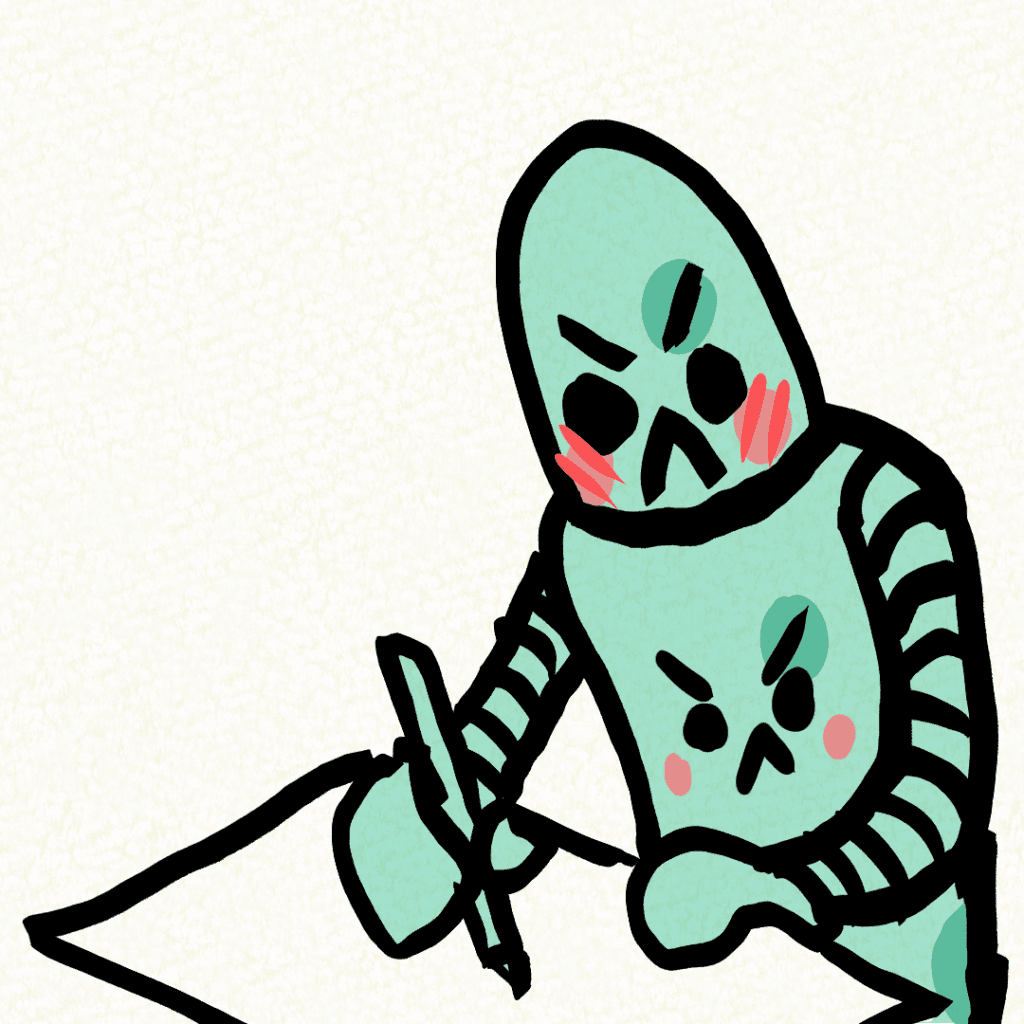
If I outsource the hard part, I’m not just saving time. I’m removing the part of me that changes.
Art, to me, isn’t only about producing an impressive image or song or story. It’s the whole expedition it takes to get there.
Sometimes it is slow, frustrating and even embarrassing. But that’s the whole point. When you overcome a challenge, you change, for better or worse.
Sometimes you have something to be happy about, or even proud of. Sometimes you end up with nothing, and that’s okay too. It’s just one rep of many. You’re just practicing for the future. You put in the effort and you learn from it.
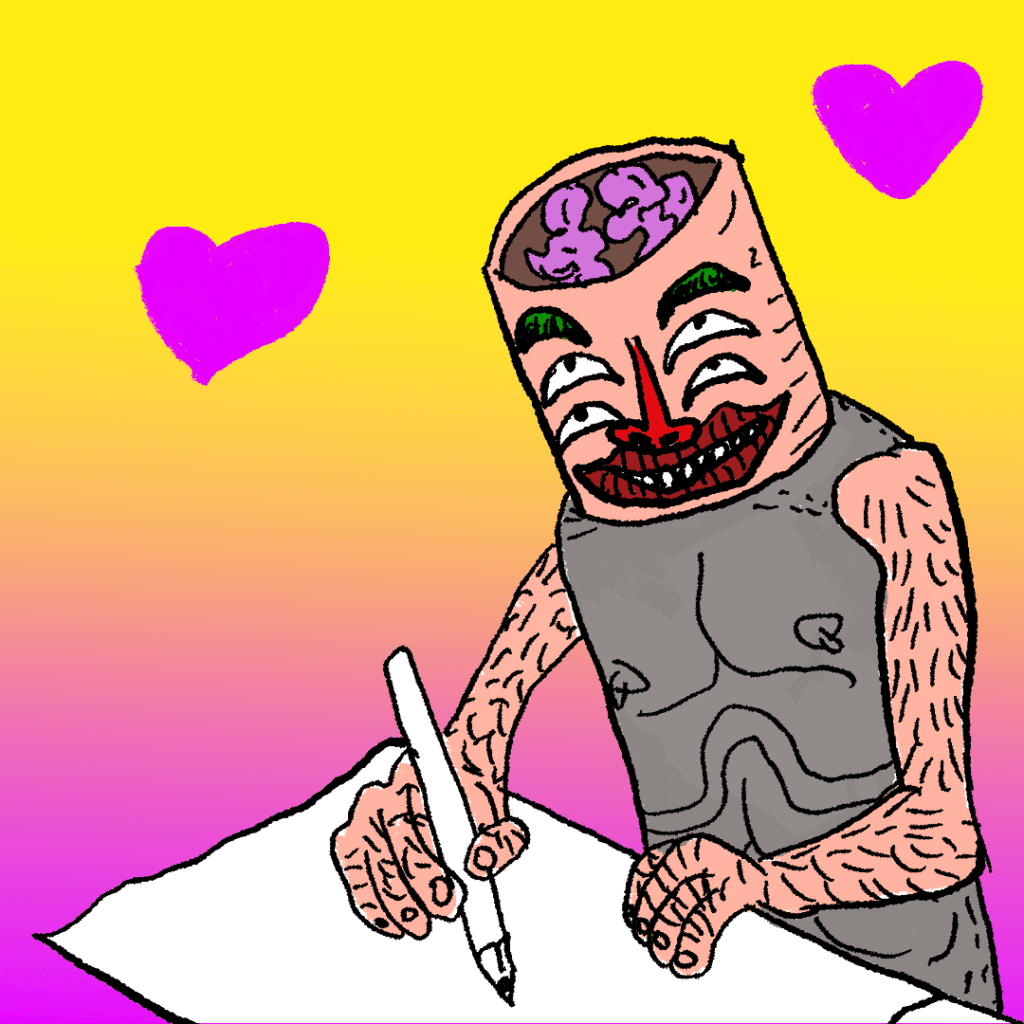
Using AI at work consistently has already shown me how easy it is to let parts of my brain deteriorate.
When there’s no friction, you don’t learn anything. You retain less information, you become a little dumber, too.
Maybe that’s fine when the goal is efficiency.
Art is one of the few spaces in my life where I’m not trying to optimize. I’m not trying to scale. I’m not trying to compete with someone else’s speed.
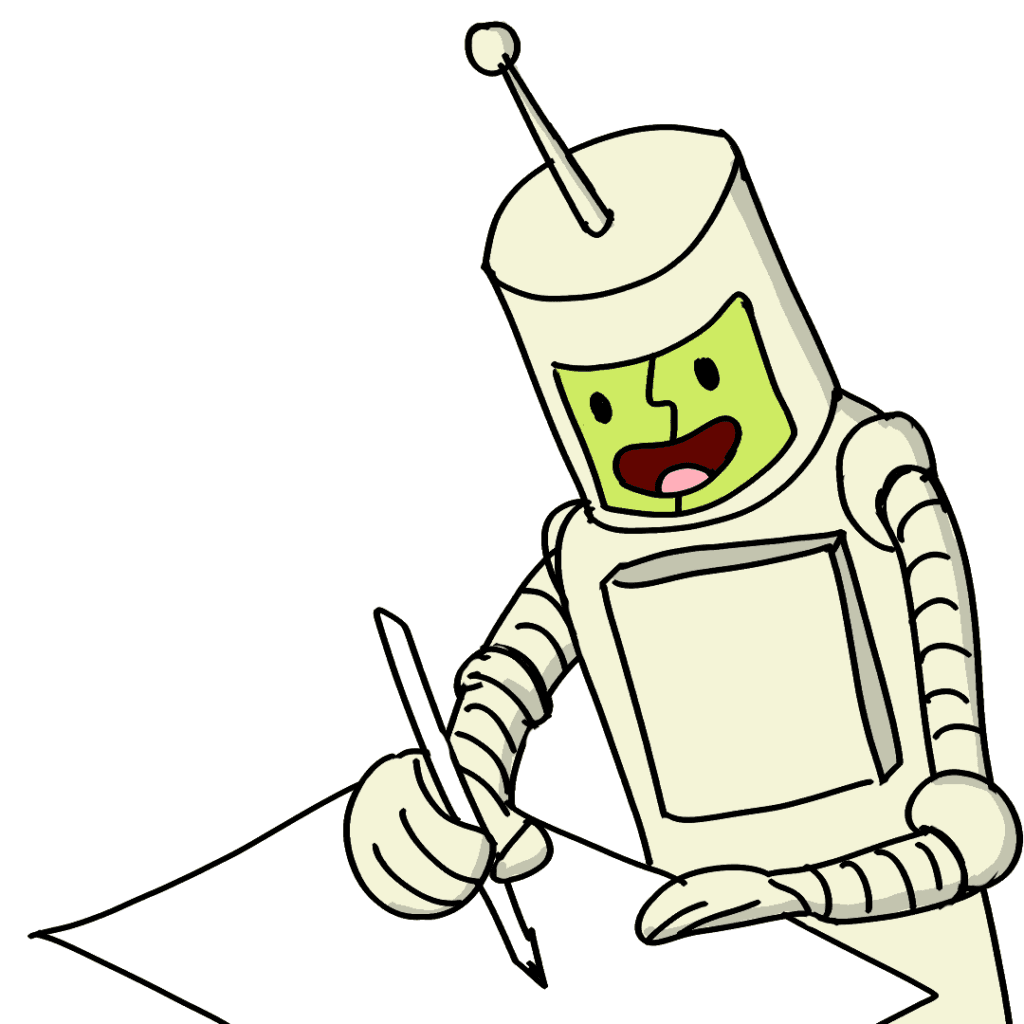
I’m just trying to get better than I was. Heck, sometimes not even that. I just enjoy creating so much that I keep doing it.
If I let AI take over that space too, I’m giving up a huge part of me.
Art isn’t essential to my survival.
I don’t need it to pay my rent. I don’t need it to meet a deadline.
I do it because I enjoy the ordeal. I enjoy struggling through something and coming out the other side slightly better than before. That improvement is slow, sometimes invisible and sometimes humbling.
And I’m okay with that.
I use AI when it makes sense. To speed up my workflow or polish my grammar. But when it comes to my art, I’m not looking for a shortcut. I don’t want the work done for me, because for me, the work is the point.
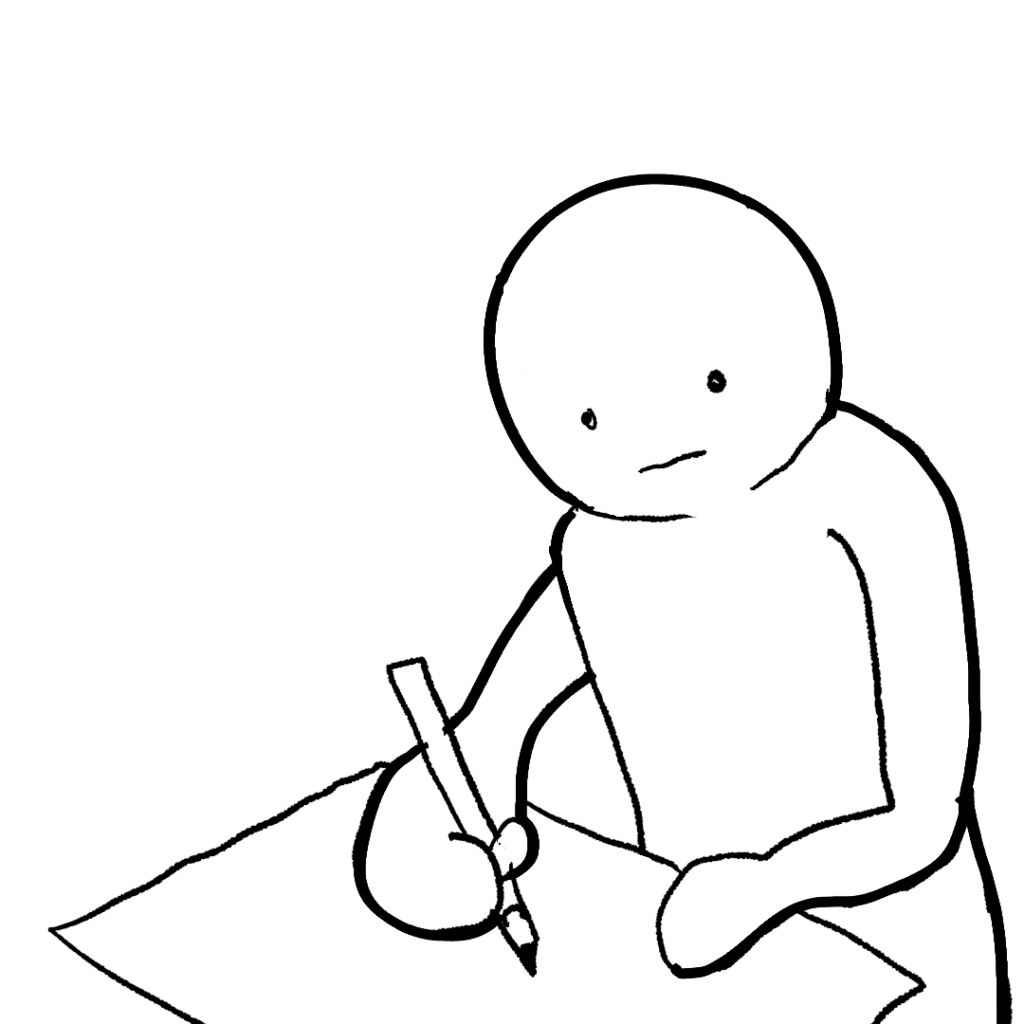
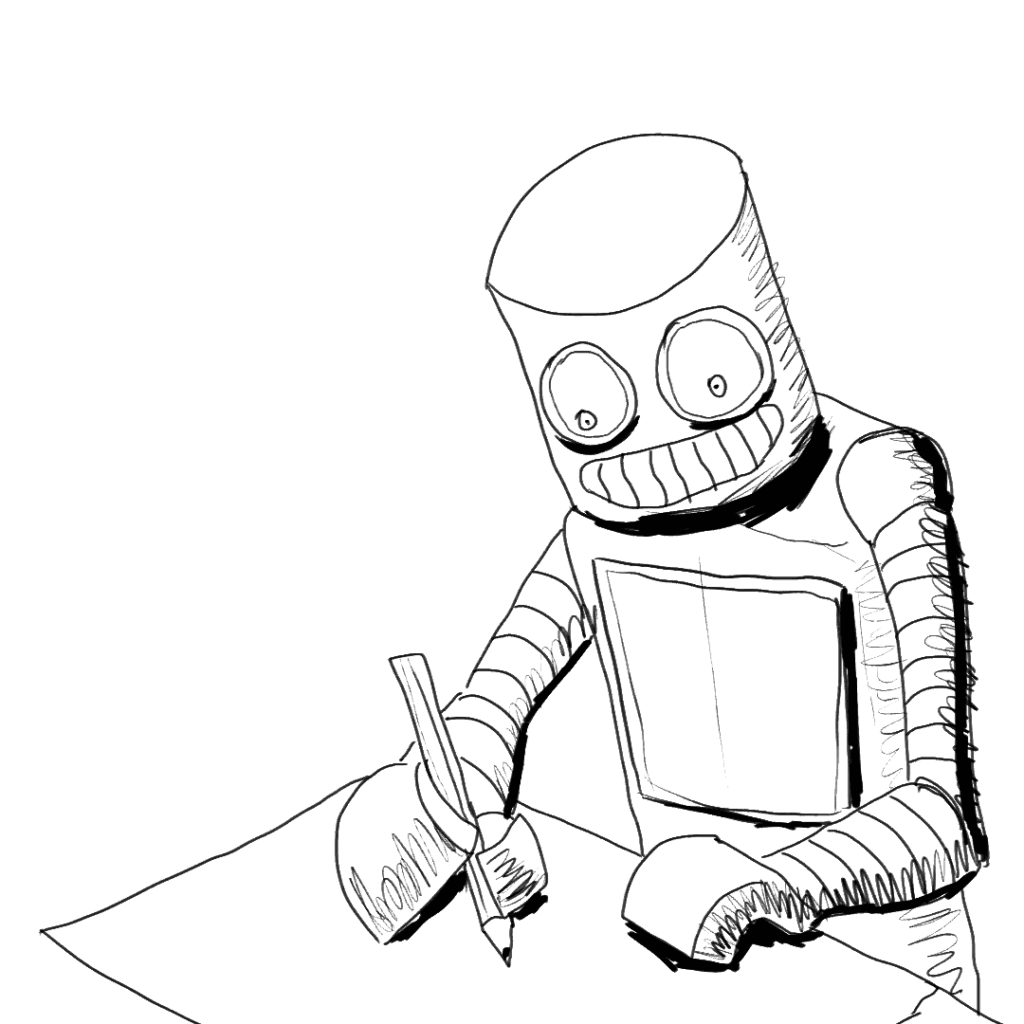
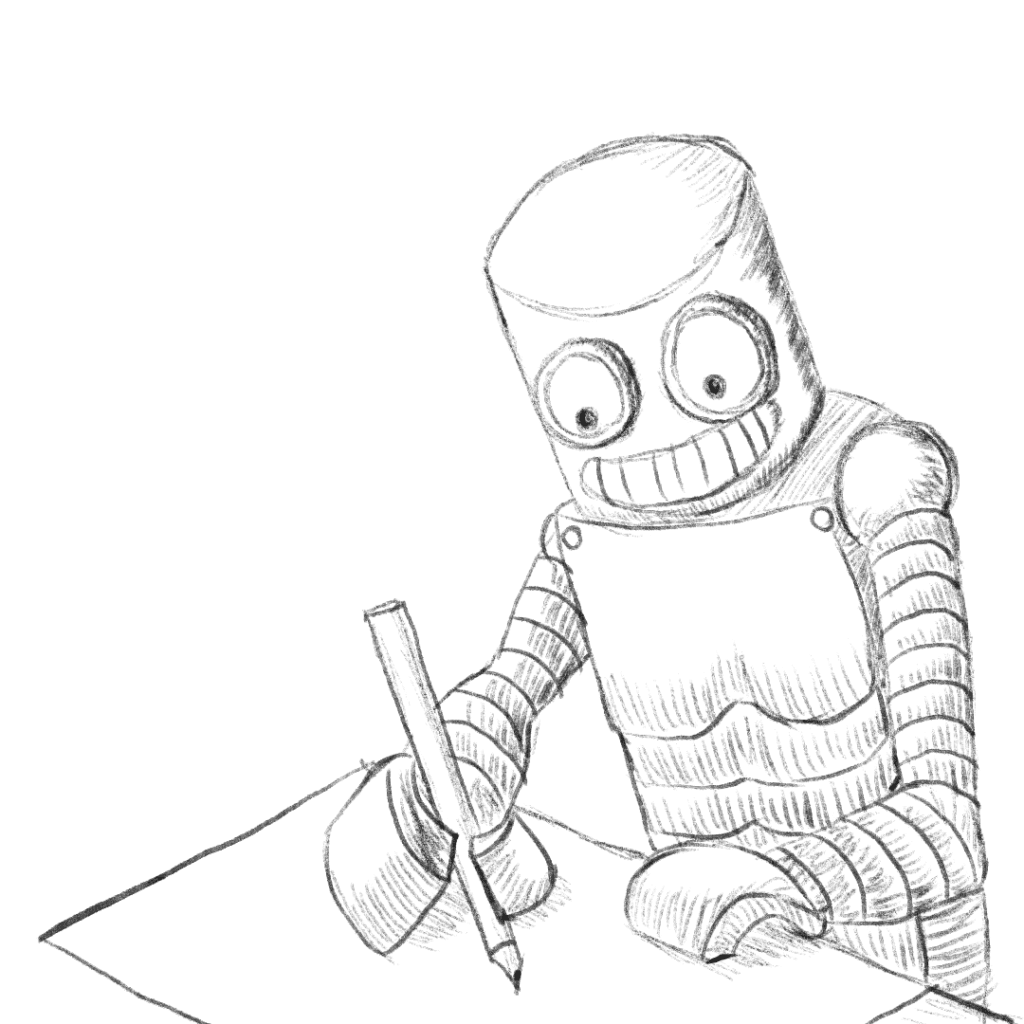
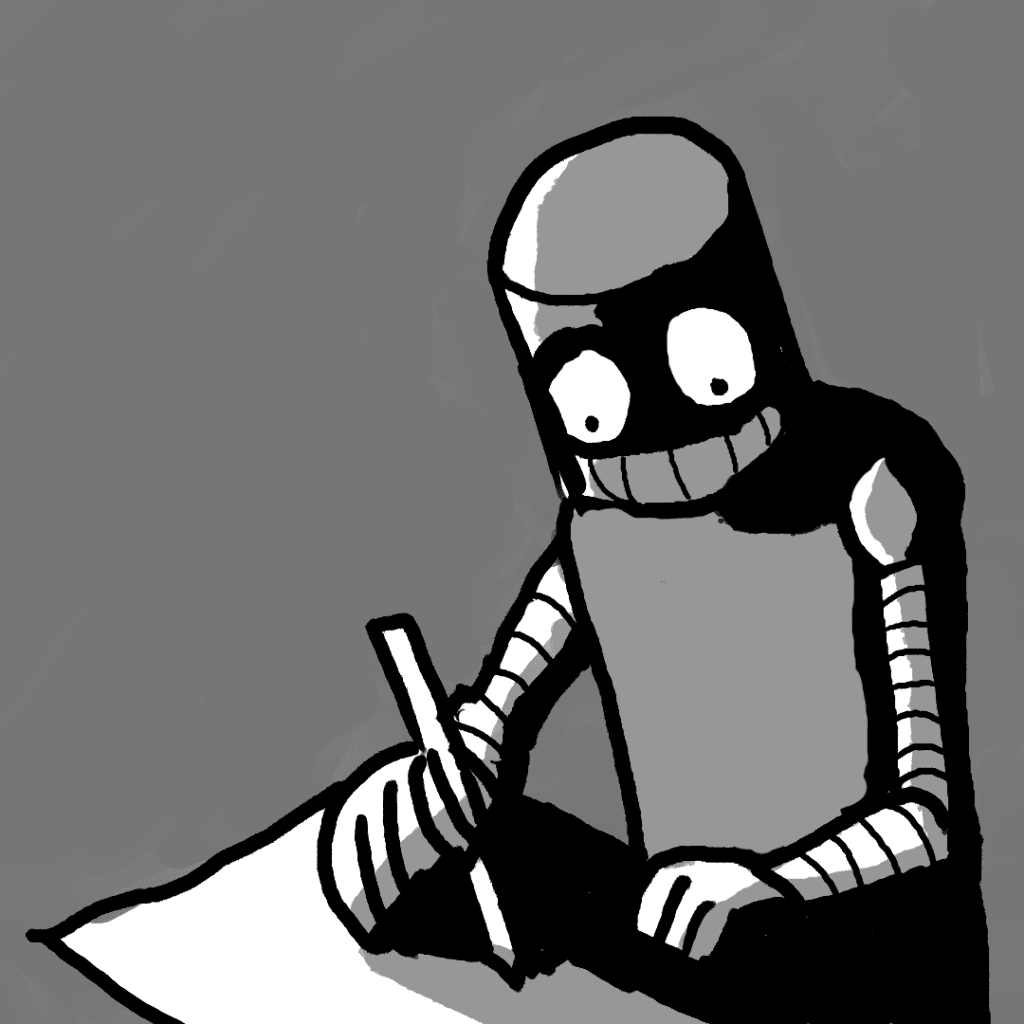
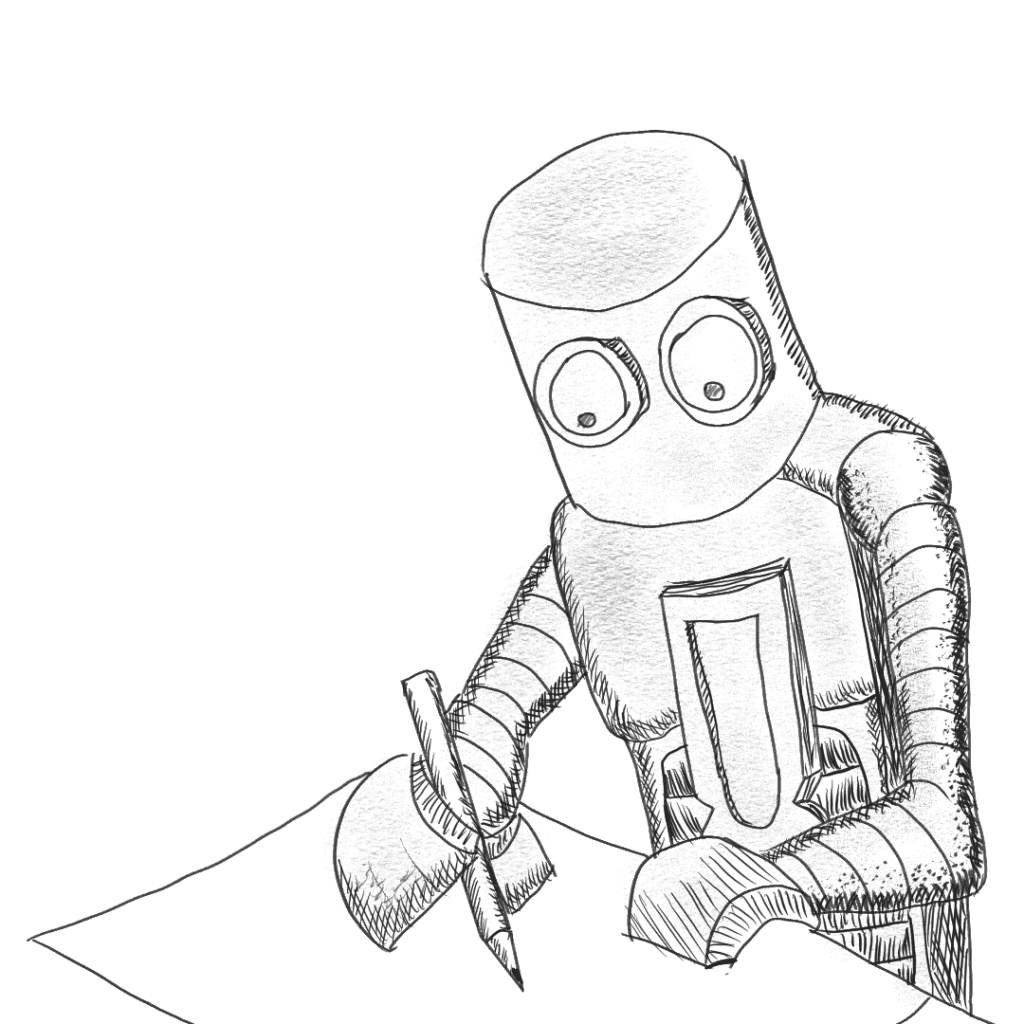
The 12 drawings throughout this post were inspired by DREWSCAPE’s video on making custom art styles for comics. With each drawing, I tried to (poorly) capture the style of an artist I admire. Super fun exercise I recommend every artist to try out!
- Gipi
- Paolo Parante
- Steve Emond
- RK Post
- Baka Arts
- Kentaro Miura
- Roman Muradov
- Quetin Blake
- Angryfrog
- Monster and Beer
- Adventure Time
- Master Tingus