Tag: work

  • Skill Expression

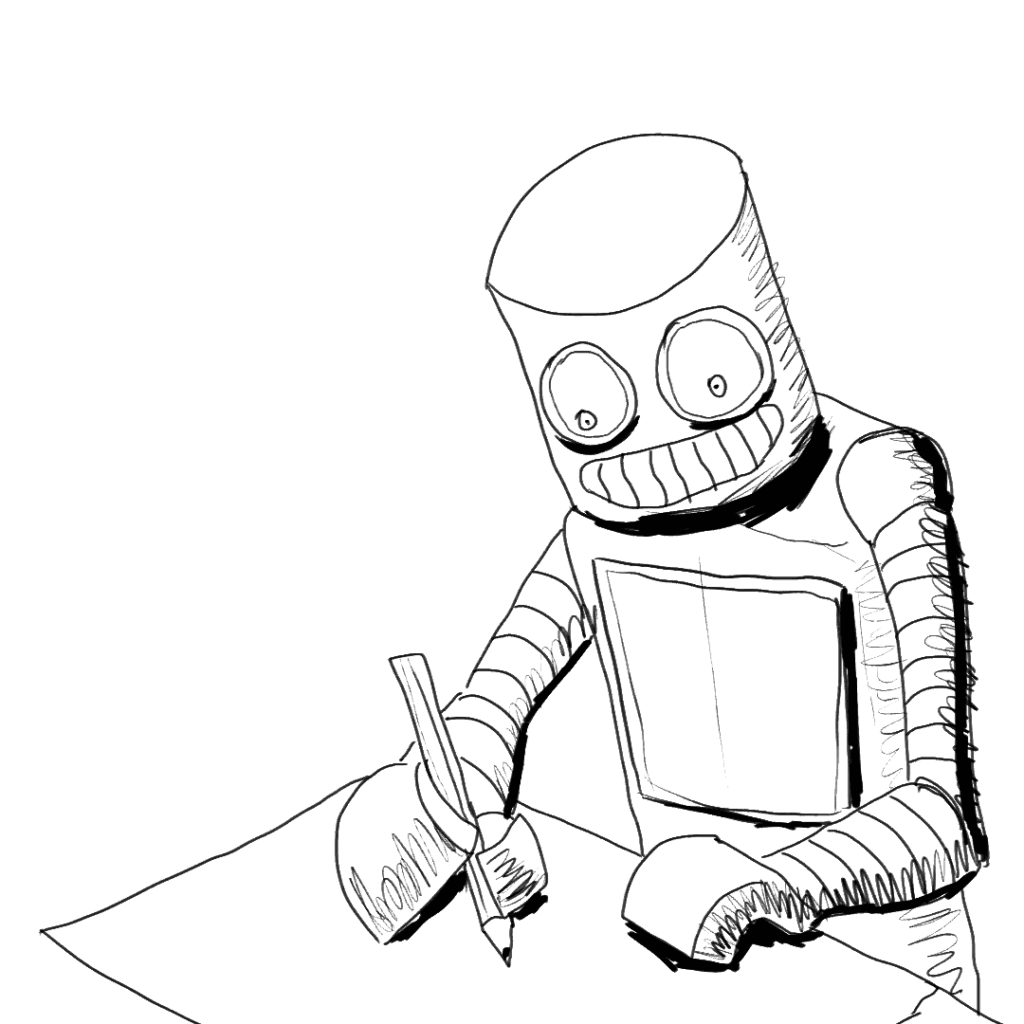
    I need to use AI at work.

    That’s just the reality of how it is right now.

    If I don’t use it, I fall behind. I don’t have a supercomputer in my head that allows me to skip using AI. I’m not a genius. So I use it.

    In a professional context, that makes sense; especially when your work requires efficient output.
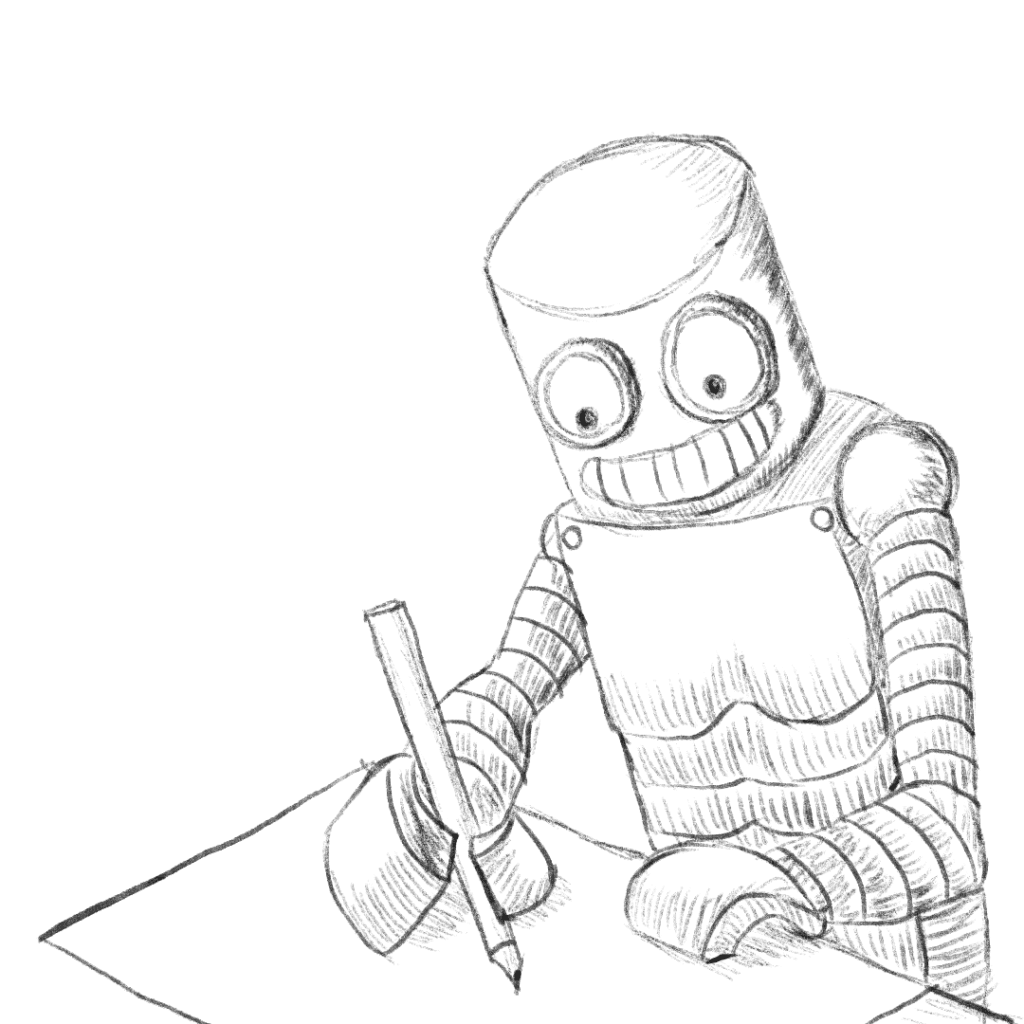
    The more I use AI for work, the more I worry about its impact on me. I can already feel my writing skills atrophying, and it bothers me.

    The moments where I’d sit with a problem and slowly work it out have been replaced with me typing prompts. I’ll admit, it’s useful. It saves me a lot of time. But I also recognize that trying to write a post completely on my own is now a struggle and that’s scary.
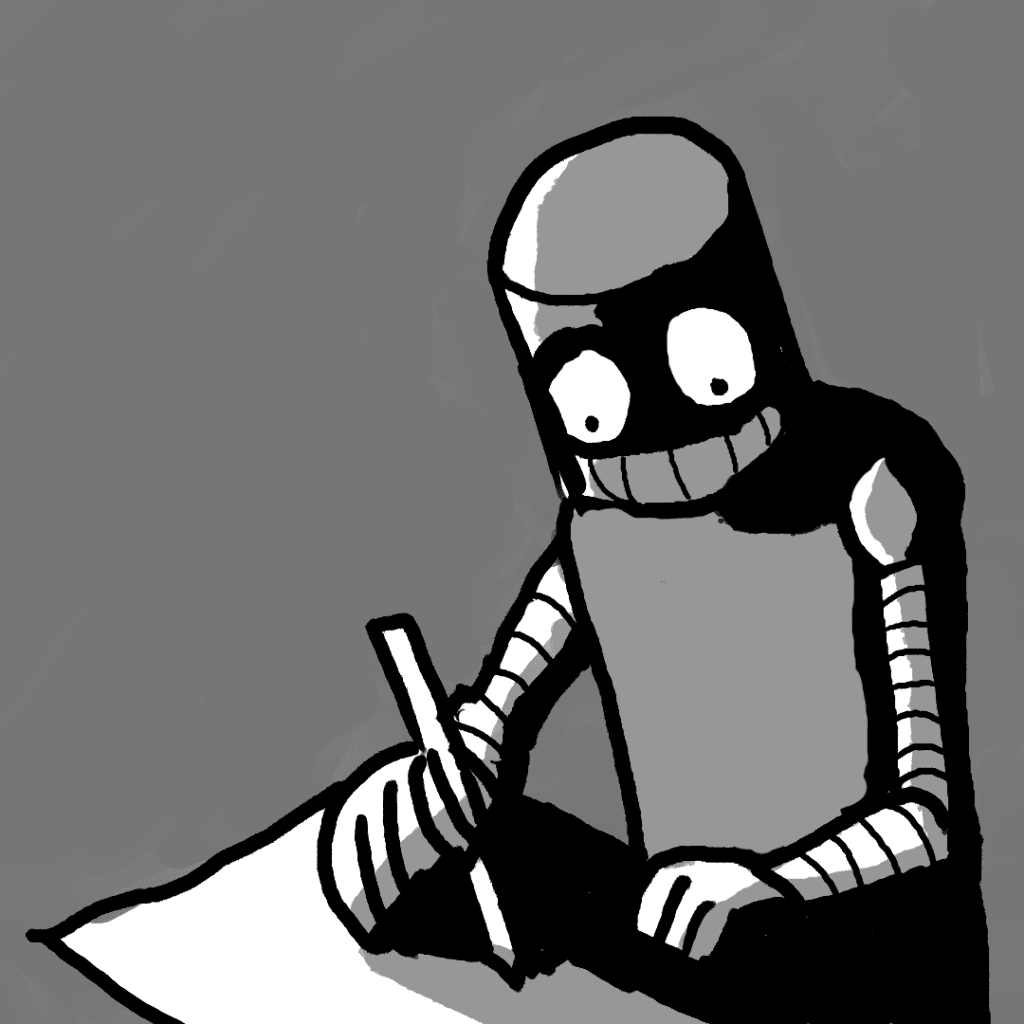


    There’s a common argument that AI art is just the next step in democratized tools.

    Photography made image-making more accessible. Digital art removed the cost of materials. Creative software let more people participate. Everyone can do it now. Everyone can share their experiences. And those experiences are part of what art is.

    I actually agree with that.
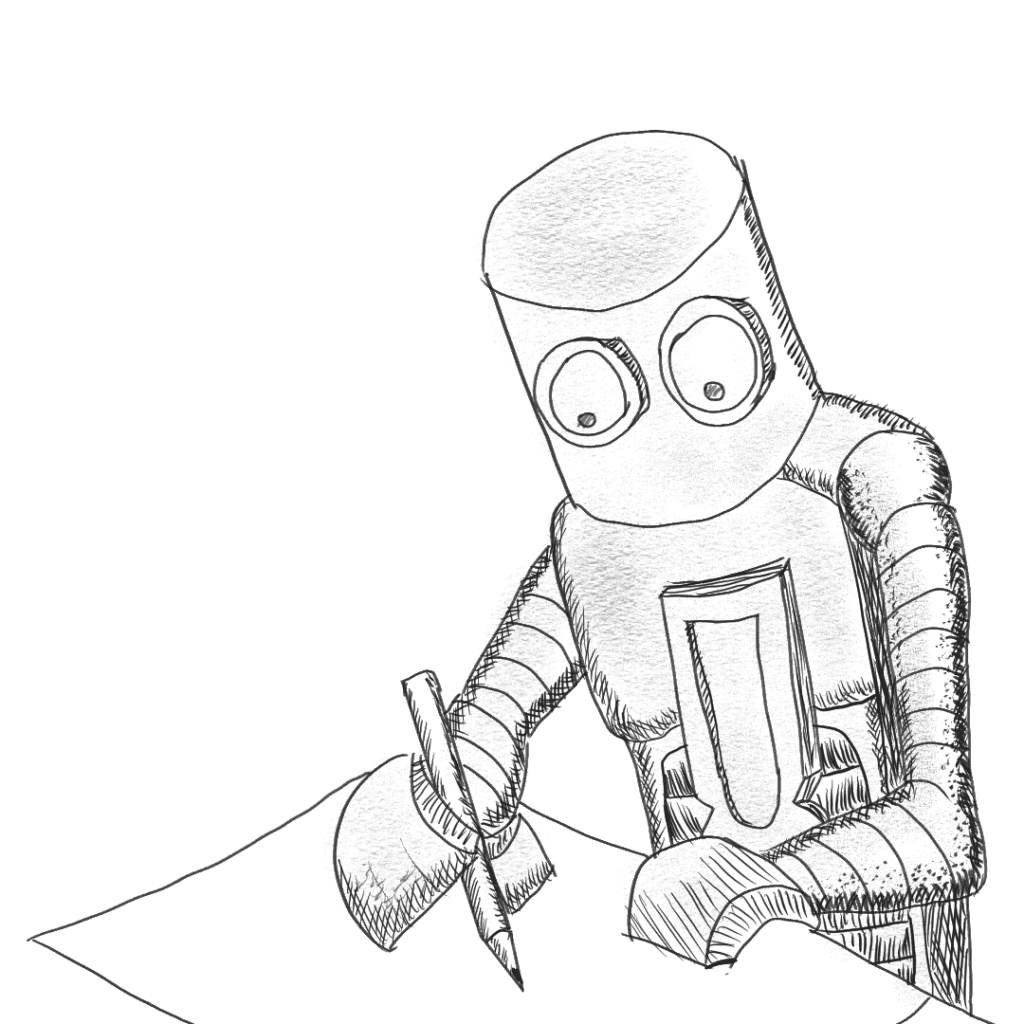
    Tools becoming more accessible is good. Lowering barriers is good. More people expressing themselves is good.

    But something important gets lost in the jump from “accessible tools” to “AI that generates the result for you.”

    Traditional tools, even digital ones are extensions of your hands. They require your taste, your decisions, your time, your frustration. And the whole learning process, mistakes included.

    Beyond the ethics of art being trained on stolen work (this post isn’t about that), I’m addressing people who use AI entirely to replace the experience (of making art, writing, music etc).

    If you’re looking for some well-put-together takes on AI, check out these videos
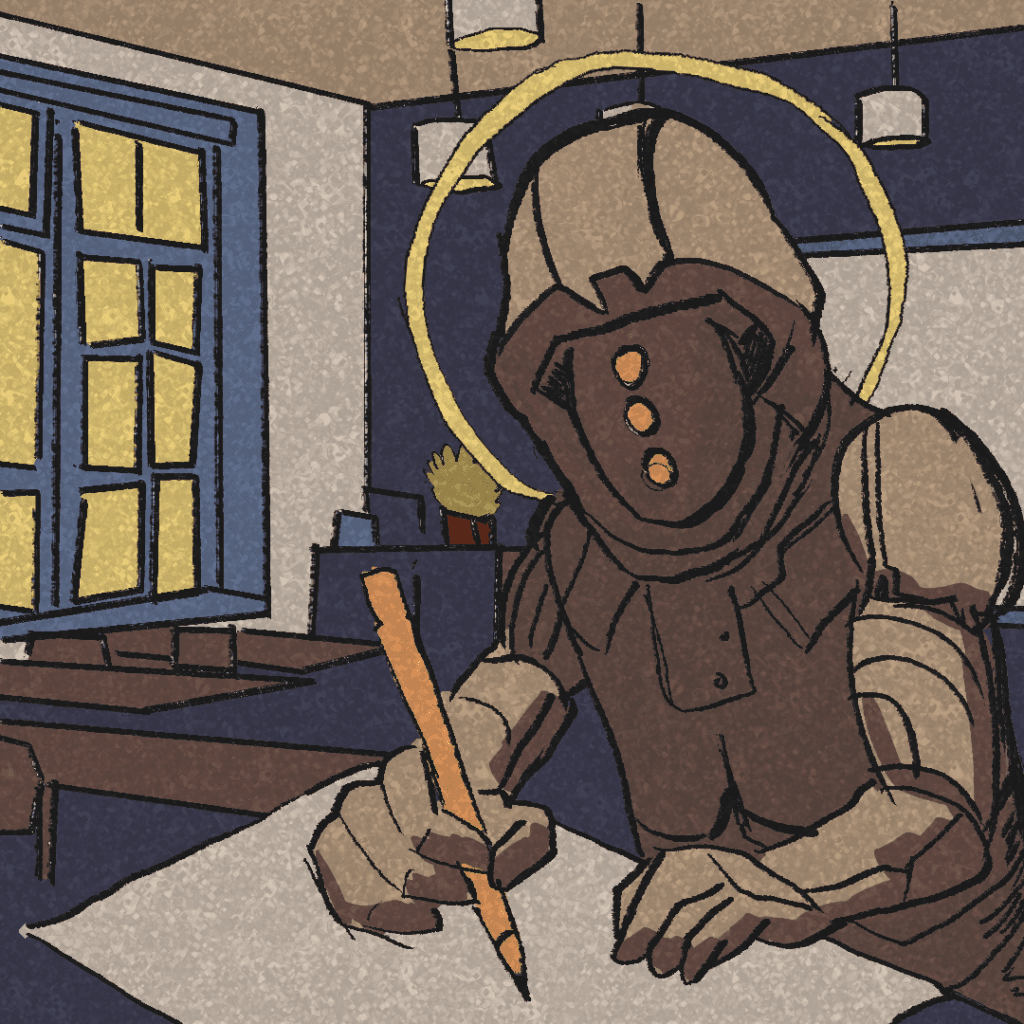

    Another justification I see a lot is that criticizing AI art is ableist.

    The argument goes: not everyone has the time, physical ability, or cognitive capacity to develop traditional artistic skills. AI allows them to participate. It levels the playing field.

    I understand why that resonates. But I don’t think the alternative to “you can’t physically draw” is “a machine does it entirely for you.”

    Art has always adapted. There are tools, techniques, accommodations, collaboration, different mediums. Expression isn’t limited to one physical pathway.
    What makes art meaningful isn’t that it was hard in a universal sense. It’s that it required something from the person making it. Their perspective, limitations and problem-solving techniques. Everyone struggles and approaches something differently.

    But removing the struggle entirely, removes the need to develop skill or to make decisions beyond a prompt, and changes the nature of what’s being expressed.
    And I don’t think it’s ableist to say that the process matters. For me, it is the entire point.

    The journey. The struggle. The learning. The capturing of a moment in time.

    When I look at something I made years ago, I don’t just see the result. I see who I was when I made it. What I knew. What I didn’t know. The mistakes I couldn’t see yet. The things I was proud of that I’d do differently now.
    It’s a memento.

    Skill expression isn’t about proving I’m talented. It’s about documenting growth.

    Every piece is evidence of effort, a record of time spent, and a reminder that I cared enough to get better. That’s what makes it purposeful.
    If I outsource the hard part, I’m not just saving time. I’m removing the part of me that changes.

    Art, to me, isn’t only about producing an impressive image or song or story. It’s the whole expedition it takes to get there.

    Sometimes it is slow, frustrating and even embarrassing. But that’s the whole point. When you overcome a challenge, you change, for better or worse.

    Sometimes you have something to be happy about, or even proud of. Sometimes you end up with nothing, and that’s okay too. It’s just one rep of many. You’re just practicing for the future. You put in the effort and you learn from it.


    Using AI at work consistently has already shown me how easy it is to let parts of my brain deteriorate.

    When there’s no friction, you don’t learn anything. You retain less information, you become a little dumber, too.

    Maybe that’s fine when the goal is efficiency.

    Art is one of the few spaces in my life where I’m not trying to optimize. I’m not trying to scale. I’m not trying to compete with someone else’s speed.

    I’m just trying to get better than I was. Heck, sometimes not even that. I just enjoy creating so much that I keep doing it.

    If I let AI take over that space too, I’m giving up a huge part of me.

    Art isn’t essential to my survival.

    I don’t need it to pay my rent. I don’t need it to meet a deadline.

    I do it because I enjoy the ordeal. I enjoy struggling through something and coming out the other side slightly better than before. That improvement is slow, sometimes invisible and sometimes humbling.

    And I’m okay with that.

    I use AI when it makes sense. To speed up my workflow or polish my grammar. But when it comes to my art, I’m not looking for a shortcut. I don’t want the work done for me, because for me, the work is the point.


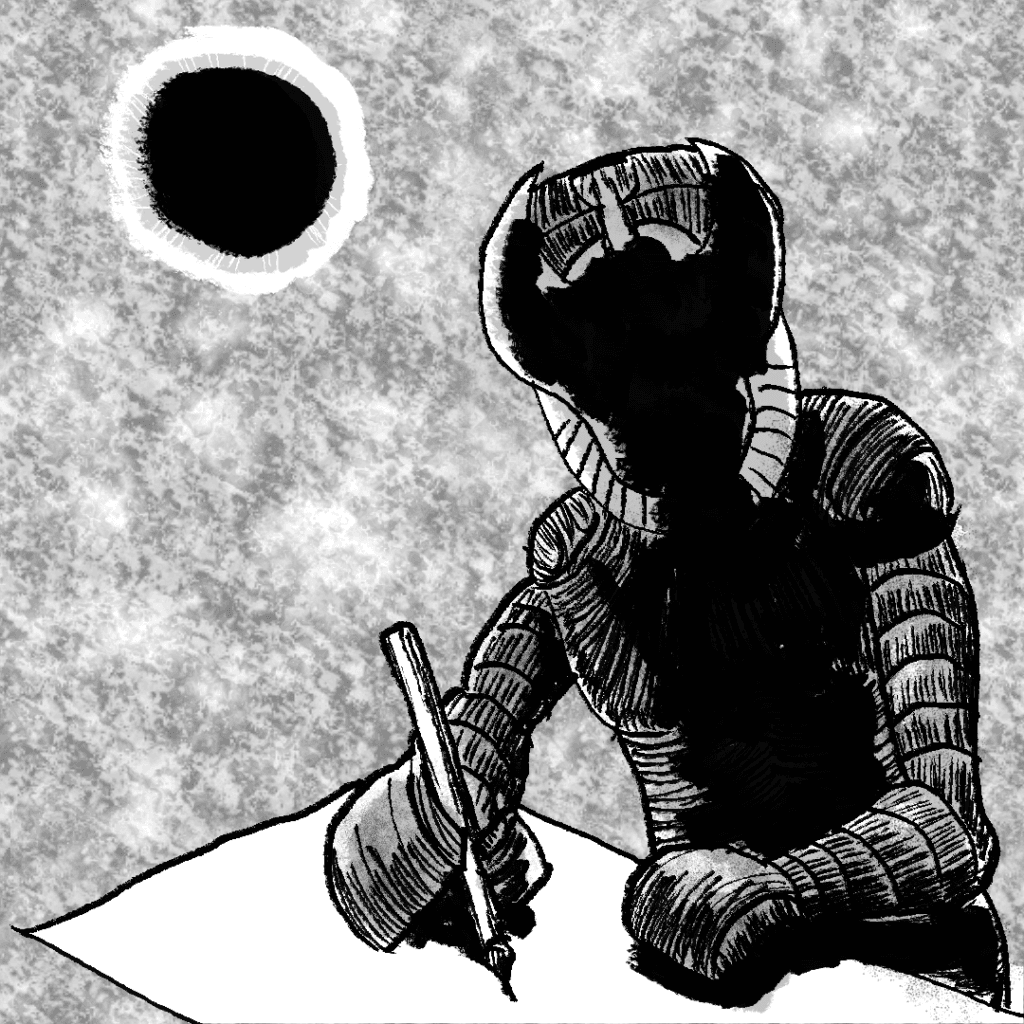
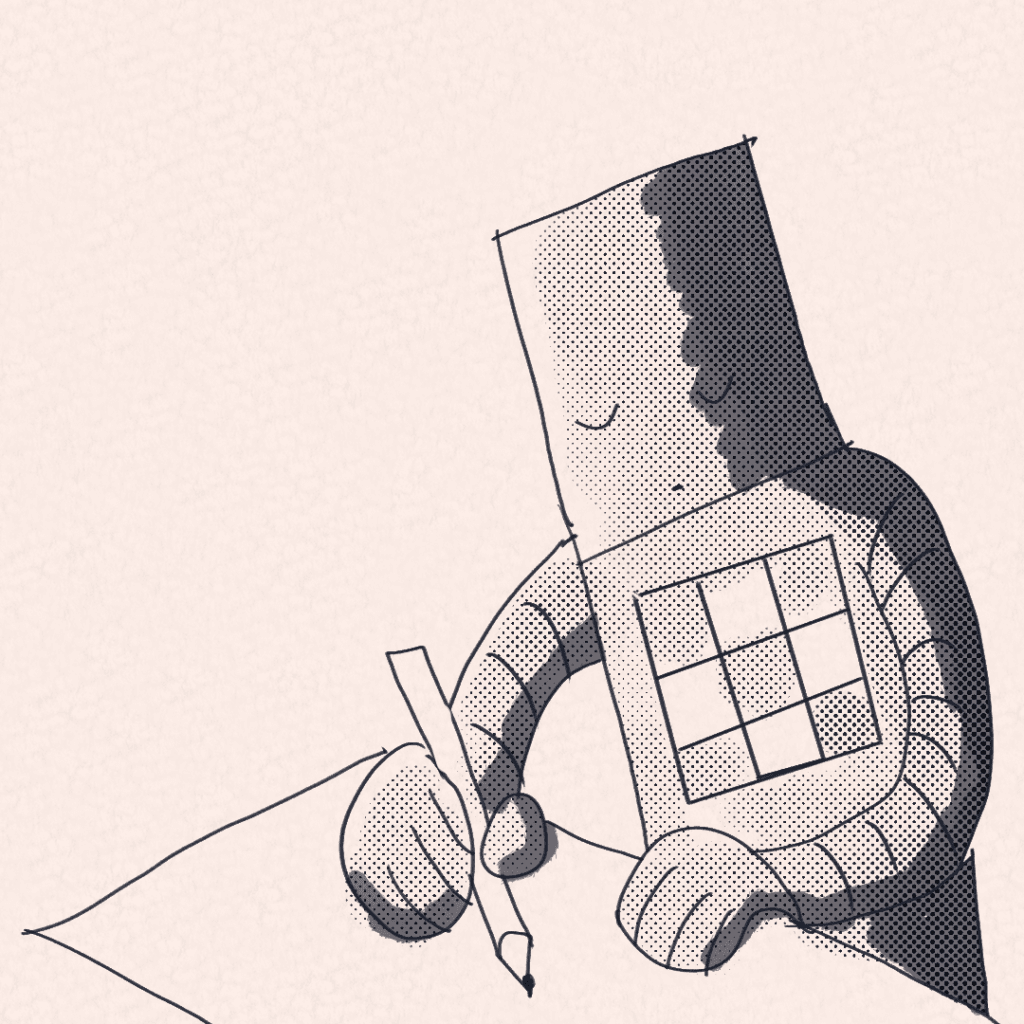
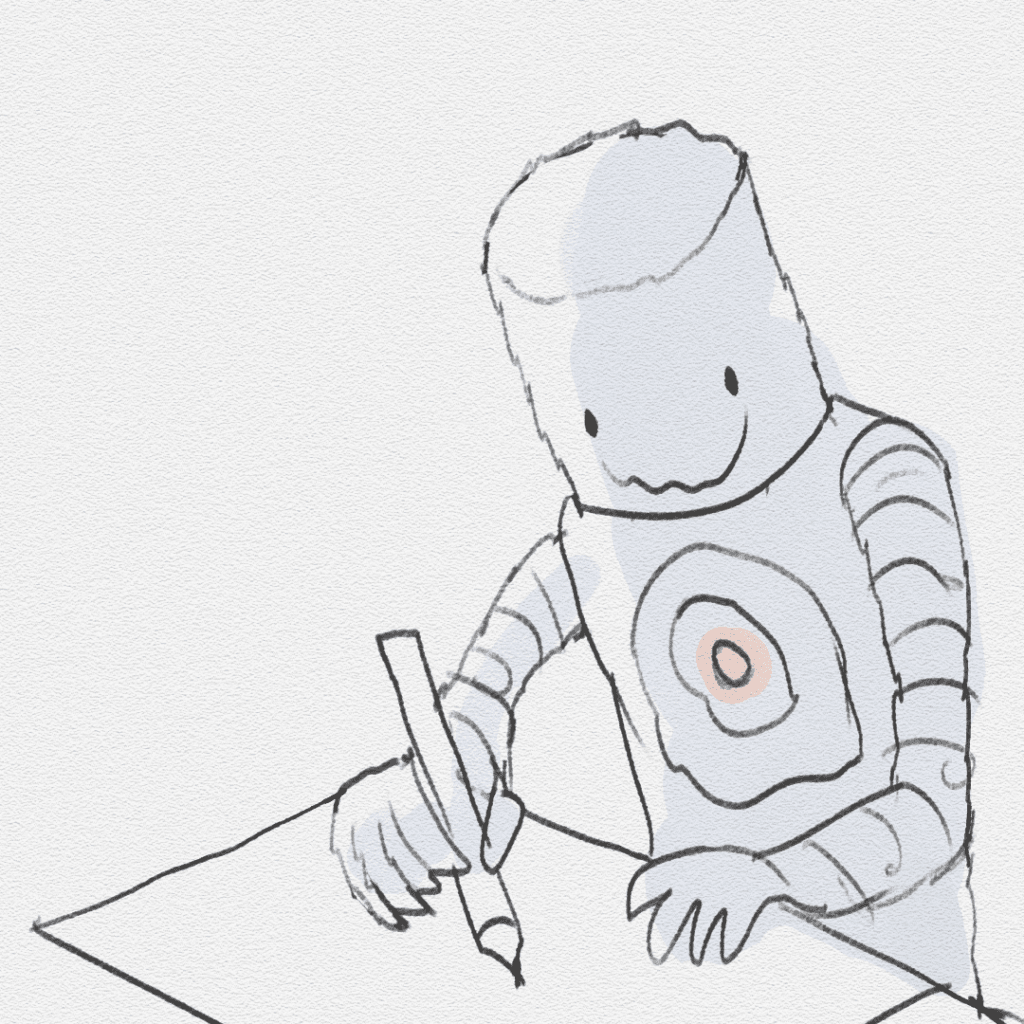
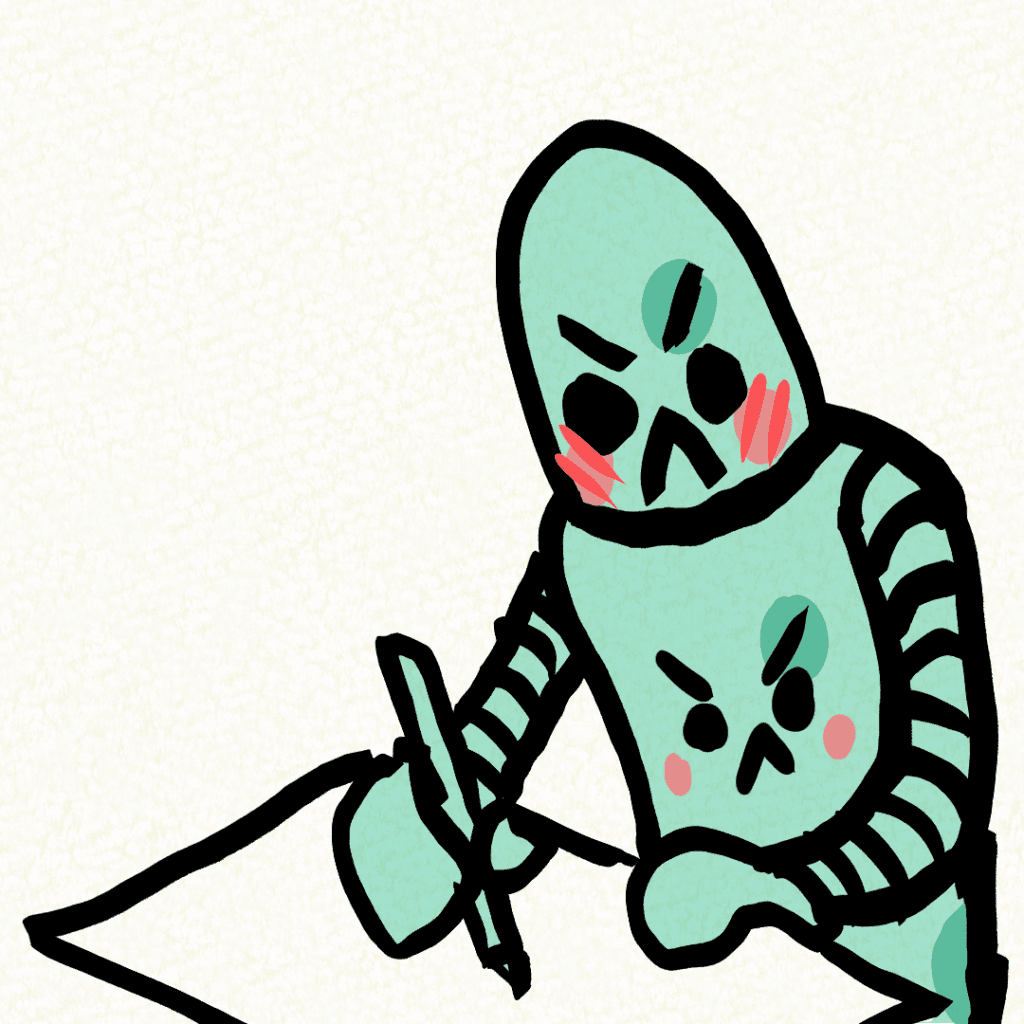
    The 12 drawings throughout this post were inspired by DREWSCAPE’s video on making custom art styles for comics. With each drawing, I tried to (poorly) capture the style of an artist I admire. Super fun exercise I recommend every artist to try out!
    1. Gipi
    2. Paolo Parante
    3. Steve Emond
    4. RK Post
    5. Baka Arts
    6. Kentaro Miura
    7. Roman Muradov
    8. Quetin Blake
    9. Angryfrog
    10. Monster and Beer
    11. Adventure Time
    12. Master Tingus

  • Add That to the List of Things I Need to Get Better At

    Add That to the List of Things I Need to Get Better At

    One of the fun things you get to do at my job is have casual conversations with the CEO. He doesn’t have enough time in a day to spend with everyone, so he started organizing meetings with groups of staff to get to know everybody better. My turn took place earlier this week and it was an enlightening session.

    He shared about the company, how we got our current office, what the industry and our competitors are up to and several anecdotes over an hour. But what left an impression on me was how he ended the session. He said (I paraphrase), “If you were me for a day, what would you do?”

    My mind blanked. I had no clue what to say. “I’d give George a lot of money!” I blurted out. Not the answer he was looking for. So the question was directed to my colleagues until it was my turn again. “I don’t know what to say,” I confessed. “But if I think of something, I’ll send you a message.”

    “Sure”, he replied.

    At first, I didn’t think much of it. It was a casual question, right? For fun, get to know the staff, and see what they would do if we were in his shoes.

    But then I started to overanalyze it, like I always do. What if this was some sort of test?

    After some quick research, it turned out that it’s a pretty common question people ask when they want to see how others think strategically. Upon learning that, I was like, “Ohhhhhhh.” Guess I bombed the test.

    Not that it mattered, I was unprepared, and if you know me, I’m not great at answering questions on the spot. Especially if it’s about something I’m unfamiliar with. Running a company? I don’t even know where to begin.

    Okay, that’s not true. I know a little bit. You see, before I became a book purchaser at Big Bad Wolf, I was brought on to help set up and run a charity organization. I’ll spare you the details, but basically, it never took off due to some issues. Eventually, I was asked to join Big Bad Wolf and since I was already working with the people there, I agreed.

    But during those six months, I helped set up the charity as a company. I had to get the company name registered, open a bank account, and do a whole bunch of miscellaneous things that I don’t remember anymore. So I did have some related knowledge. But I digress.

    Like I was saying; I’m terrible at answering questions on the spot. Especially, if I’m unprepared. Which was something I told my boss during my 1:1 last year. He mentioned that I seemed to freeze whenever he questioned me. I replied, “slow brain.” He asked if I was serious, I told him no but I asked to be informed of questions ahead of time so I could prepare.

    I’m not witty. Thinking of dubious nicknames for people, I can do (alliterations are awesome) but when it comes to work-related queries that matter? Struggle city. It’s one of my weaknesses that I want to work on. The other is procrastination – but that’s a story for another day.

    Taking my time to think of things to say is one of the pros of online dating. You can spend as long as you want thinking of a good response. There’s no need to answer quickly (until you go out, but by then, hopefully, you have your ducks in a row). Unfortunately, not every situation in life gives you time to formulate an answer.

    Like those times I applied to be an air steward, back in 2008. I was stumped during the first round of the interview process. All the tryouts were gathered in a room and were asked a question to proceed to the next stage. In both interviews, I failed the first round.

    In the first interview, I was asked, “What’s more important to you – money or power?” In the second interview, I was asked who was my favorite actor and why. Stupid, irrelevant questions to me back then, because I didn’t know their true purpose (you could tell, I didn’t prepare). But I left both interviews feeling puzzled and confused.

    Turns out they were testing my critical thinking skills and personality based on how I answered. Which brings me back to my chat with the CEO. If I were him for a day, what would I do?

    Honestly, I wouldn’t change anything. Even if we did, there’s no guarantee it would improve the company’s position. With every change, we could be facing new problems instead. I’m confident about the company’s direction and leadership. Even if we don’t make a triumphant exit, that’s okay. I’ve learned a lot in the past two years. It’s been a fantastic ride.

    Is it challenging? Yes. Time consuming? Yes. But that’s how most jobs are. I’m just grateful to have the opportunity to be part of this journey.

    Sure, it sounds like a cop-out answer and exposes my lack of ambition or vision, but I genuinely know I don’t know enough to take the wheel for a second. Sometimes I’d rather not say anything at all. I know my limits.

    Things can be better — but they can always be better. That’s life. It’s human nature to never be truly satisfied.

    Am I overthinking what was meant to be a casual closing statement? Maybe. But I’m glad it gave me something to write about.

  • Click, Break, Repeat

    Click, Break, Repeat

    I’m a curious guy. I like clicking all the buttons in programs or pushing every button on a computer until I learn about what they do or things break. I enjoy discovering and experiencing new things. I like to try everything before forming an opinion.

    After all, there are some things out there you don’t know you need or enjoy until you’ve tried them. Like drugs.

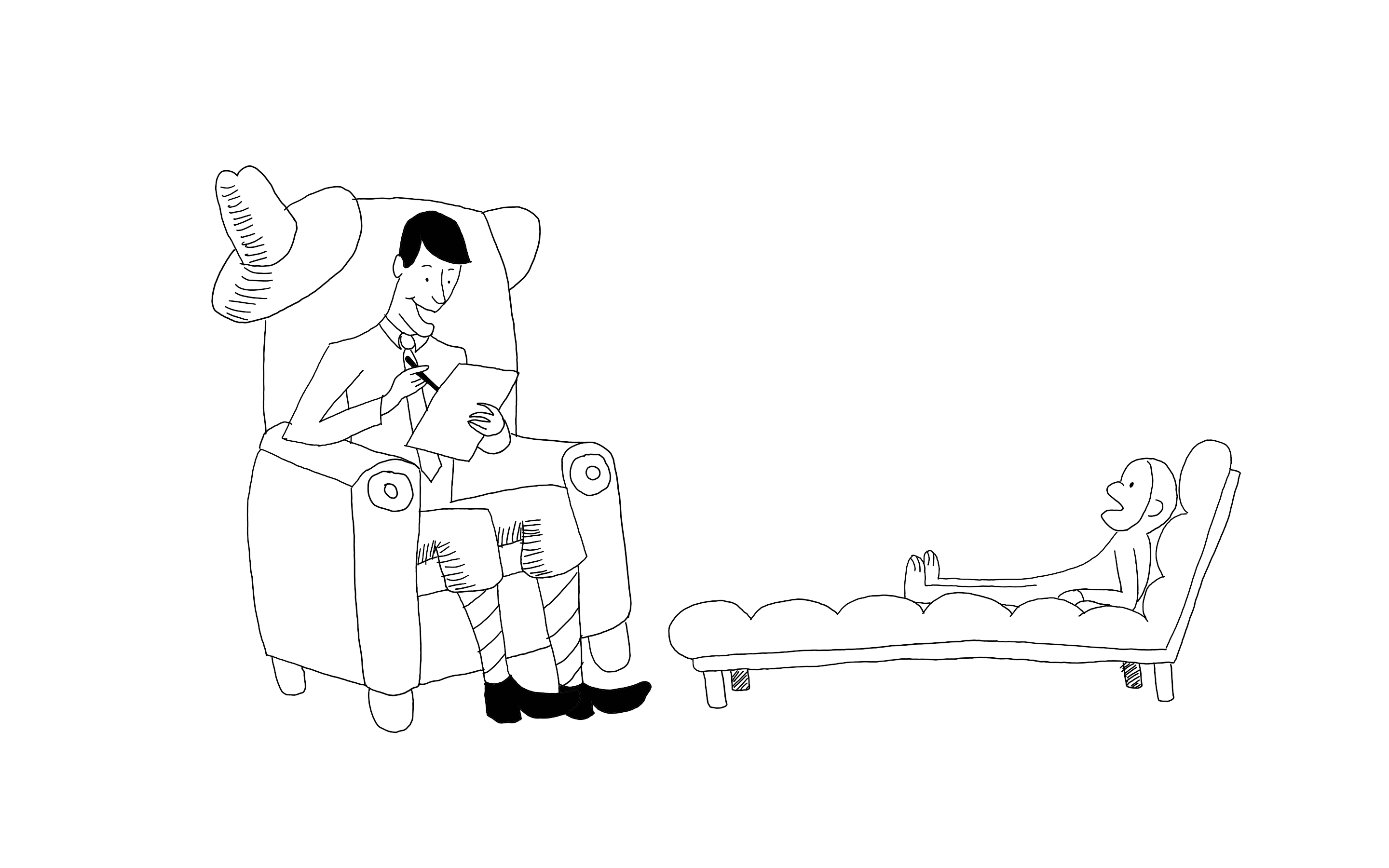
    So when my company announced a monthly budget for mental health, I figured – hey, why not use it? I had never visited a therapist before and was curious about it. I didn’t think I needed mental help, but also I didn’t know if I didn’t need it.

    With that in mind, I went in with an open mind.

    I entered therapists near me in Google, and a center popped up a few minutes away from home. Sweet! Sent them an email to inquire about the price and process, and received a reply the next day. Gave them my WhatsApp number and I continued the conversation there.

    I had a conversation with the person running the account and booked myself an appointment shortly after. On the day of the appointment, I arrived at the center about five minutes early and was instructed to register myself.

    After that, I entered a room and waited for the therapist.

    She arrived after a few minutes and asked me what’s up? I told her I had this budget to spend, wasn’t sure if I needed therapy, and was giving it a shot. She nodded and asked me what she could help me with. I told her about my work-related problems.

    If you were expecting some tea, sorry to disappoint.

    We spoke for almost an hour, and she was unbiased and remained neutral throughout the whole session. The best part is, that she gave me some actionable advice, which I’ll share below. Hopefully, it can be useful to some of you too.

    Problem: Procrastination/Staying Focused

    • Measure the time you spend procrastinating
    • Once you know how long you’re procrastinating each day, shorten those breaks
    • Each week, try to reduce those unproductive minutes (e.g. 2 hours to 1.5 hours, to 1 hour, to 45 minutes, and so on)
    • Take short breaks every time you lose focus. Leave your desk and walk around, talk to people, then come back later
    • Write down your tasks and if possible, the time it takes to complete them, that will help you allocate your time each day

    Imposter Syndrome:

    • If you feel undeserving of compliments, look for proof of why you think you’re doing a bad job instead of looking for proof that a compliment is insincere

    General Mental Self-Care Tips:

    • Ask yourself how you feel every morning, talk to yourself. Voicing it out can help you understand yourself
    • Have something to look forward to every day. It can be as simple as watching a show or hanging out with a friend. Set a reward for yourself each day

    And that sums up my very first therapy session. Did it change me? Maybe. I did walk away with new knowledge. So what did I think of therapy?

    Therapists only know what you reveal to them. The quality of their advice is going to be based on how much or what you let them know. If you don’t give them anything to work with, they won’t be able to help you much.

    After my first experience, I’ve concluded that it’s not something I would pay so much for but because I get it for ‘free’, I wouldn’t mind going back again. Maybe I’d try other therapists just to see how different it can be.

    For now, I’ll try practicing what the therapist suggested and see if it helps me with my work. I’ll report in a few weeks, hopefully with good news.

    In the meantime, here’s a related song that features the Number 1 Hot New Band, Hot Mulligan. Happy Mental Awareness Week (one month late)!