Category: Technology

  • Listening to podcasts is lonely

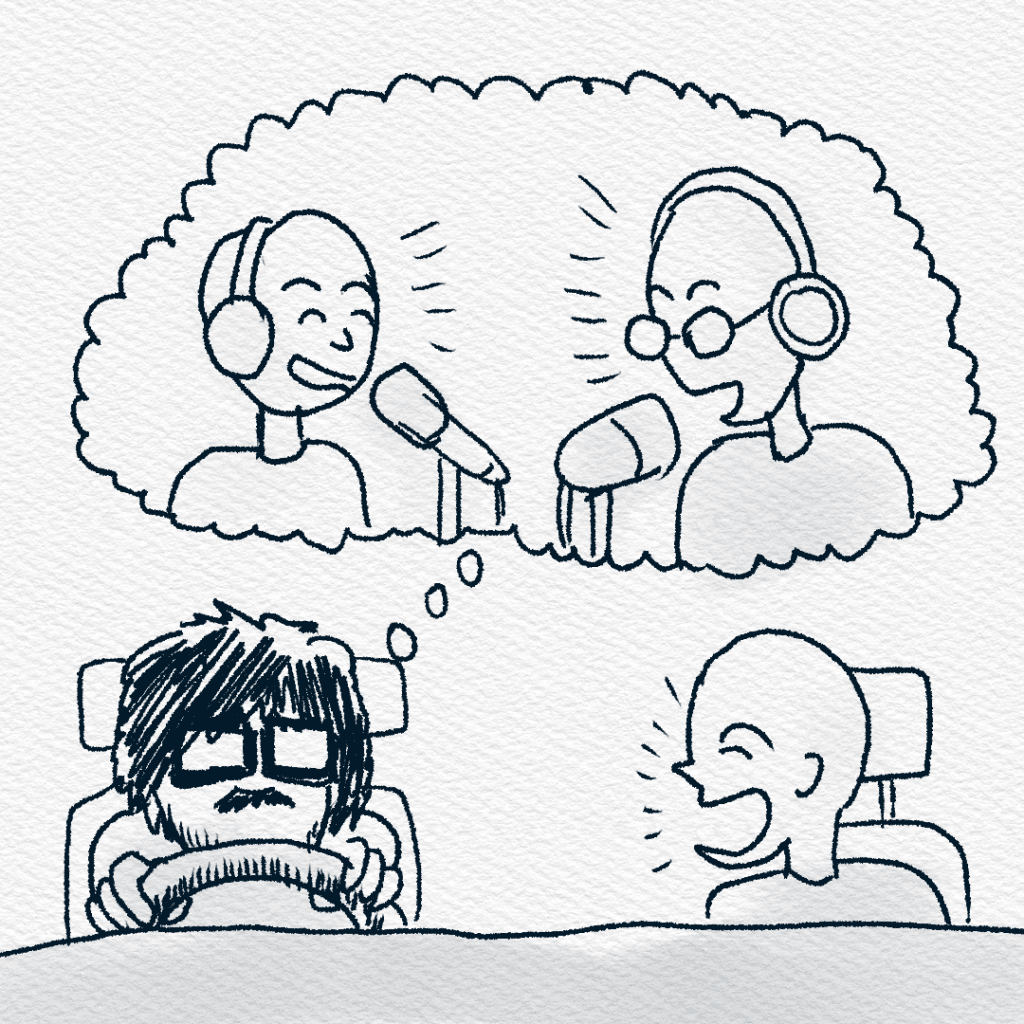
    Listening to podcasts is quite a lonely hobby, if you think about it. Especially if you’re like me, and listen to podcasts on drives.

    They’re probably the best way to pass time in traffic. 30-minute bumper-to-bumper drive to the city? No problem, that’s like an episode of a TV show, and we all know how fast time passes when you’re enjoying yourself.

    However, I’ve come to realize that this only works when you’re driving alone. For those of you who have friends that enjoy the same podcasts as you, this might not be an issue. This is for the rest of us.

    When you have passengers in the car, you have to account for the fact that they might want to talk. Not everyone is as interested in the origin of the A note as you are.

    Once in a while you might put on something that appeals to everybody, but that would mean getting everyone to keep quiet and interested in the episode.

    If people talk, it distracts you, and you’d have to relisten to catch everything (ugh, imagine relistening to a podcast episode with the limited amount of time you have).

    Or worse, you might be listening to something interesting to your passengers, and they ask you to rewind it from the start. Come on, they’re not going to listen to the whole thing anyway!

    Once they get out of your car, you’re stuck trying to find where you left off, good luck if there are no chapters on Spotify.

    Or they might just talk amongst each other, and you have to decide if you want to participate in the conversation or ignore them, which is anti-social, especially since your car is now a social environment.

    So if you’re like me, you save podcasts for when you’re driving solo. When you can actually focus. Listening to people talk to each other, while you sit alone in the car.

    Maybe that’s the point. Podcasts are kind of a private experience. They only really work when you’re alone.

    And so, to not be a weirdo; when you have passengers, put on some music and let them talk over it. Because it’s just the soundtrack for the drive.

  • Skill Expression

    I need to use AI at work.

    That’s just the reality of how it is right now.

    If I don’t use it, I fall behind. I don’t have a supercomputer in my head that allows me to skip using AI. I’m not a genius. So I use it.

    In a professional context, that makes sense; especially when your work requires efficient output.

    The more I use AI for work, the more I worry about its impact on me. I can already feel my writing skills atrophying, and it bothers me.

    The moments where I’d sit with a problem and slowly work it out have been replaced with me typing prompts. I’ll admit, it’s useful. It saves me a lot of time. But I also recognize that trying to write a post completely on my own is now a struggle and that’s scary.


    There’s a common argument that AI art is just the next step in democratized tools.

    Photography made image-making more accessible. Digital art removed the cost of materials. Creative software let more people participate. Everyone can do it now. Everyone can share their experiences. And those experiences are part of what art is.

    I actually agree with that.

    Tools becoming more accessible is good. Lowering barriers is good. More people expressing themselves is good.

    But something important gets lost in the jump from “accessible tools” to “AI that generates the result for you.”

    Traditional tools, even digital ones are extensions of your hands. They require your taste, your decisions, your time, your frustration. And the whole learning process, mistakes included.

    Beyond the ethics of art being trained on stolen work (this post isn’t about that), I’m addressing people who use AI entirely to replace the experience (of making art, writing, music etc).

    If you’re looking for some well-put-together takes on AI, check out these videos


    Another justification I see a lot is that criticizing AI art is ableist.

    The argument goes: not everyone has the time, physical ability, or cognitive capacity to develop traditional artistic skills. AI allows them to participate. It levels the playing field.

    I understand why that resonates. But I don’t think the alternative to “you can’t physically draw” is “a machine does it entirely for you.”

    Art has always adapted. There are tools, techniques, accommodations, collaboration, different mediums. Expression isn’t limited to one physical pathway.

    What makes art meaningful isn’t that it was hard in a universal sense. It’s that it required something from the person making it. Their perspective, limitations and problem-solving techniques. Everyone struggles and approaches something differently.

    But removing the struggle entirely, removes the need to develop skill or to make decisions beyond a prompt, and changes the nature of what’s being expressed.

    And I don’t think it’s ableist to say that the process matters. For me, it is the entire point.

    The journey. The struggle. The learning. The capturing of a moment in time.

    When I look at something I made years ago, I don’t just see the result. I see who I was when I made it. What I knew. What I didn’t know. The mistakes I couldn’t see yet. The things I was proud of that I’d do differently now.

    It’s a memento.

    Skill expression isn’t about proving I’m talented. It’s about documenting growth.

    Every piece is evidence of effort, a record of time spent, and a reminder that I cared enough to get better. That’s what makes it purposeful.

    If I outsource the hard part, I’m not just saving time. I’m removing the part of me that changes.

    Art, to me, isn’t only about producing an impressive image or song or story. It’s the whole expedition it takes to get there.

    Sometimes it is slow, frustrating and even embarrassing. But that’s the whole point. When you overcome a challenge, you change, for better or worse.

    Sometimes you have something to be happy about, or even proud of. Sometimes you end up with nothing, and that’s okay too. It’s just one rep of many. You’re just practicing for the future. You put in the effort and you learn from it.


    Using AI at work consistently has already shown me how easy it is to let parts of my brain deteriorate.

    When there’s no friction, you don’t learn anything. You retain less information, you become a little dumber, too.

    Maybe that’s fine when the goal is efficiency.

    Art is one of the few spaces in my life where I’m not trying to optimize. I’m not trying to scale. I’m not trying to compete with someone else’s speed.

    I’m just trying to get better than I was. Heck, sometimes not even that. I just enjoy creating so much that I keep doing it.

    If I let AI take over that space too, I’m giving up a huge part of me.

    Art isn’t essential to my survival.

    I don’t need it to pay my rent. I don’t need it to meet a deadline.

    I do it because I enjoy the ordeal. I enjoy struggling through something and coming out the other side slightly better than before. That improvement is slow, sometimes invisible and sometimes humbling.

    And I’m okay with that.

    I use AI when it makes sense. To speed up my workflow or polish my grammar. But when it comes to my art, I’m not looking for a shortcut. I don’t want the work done for me, because for me, the work is the point.


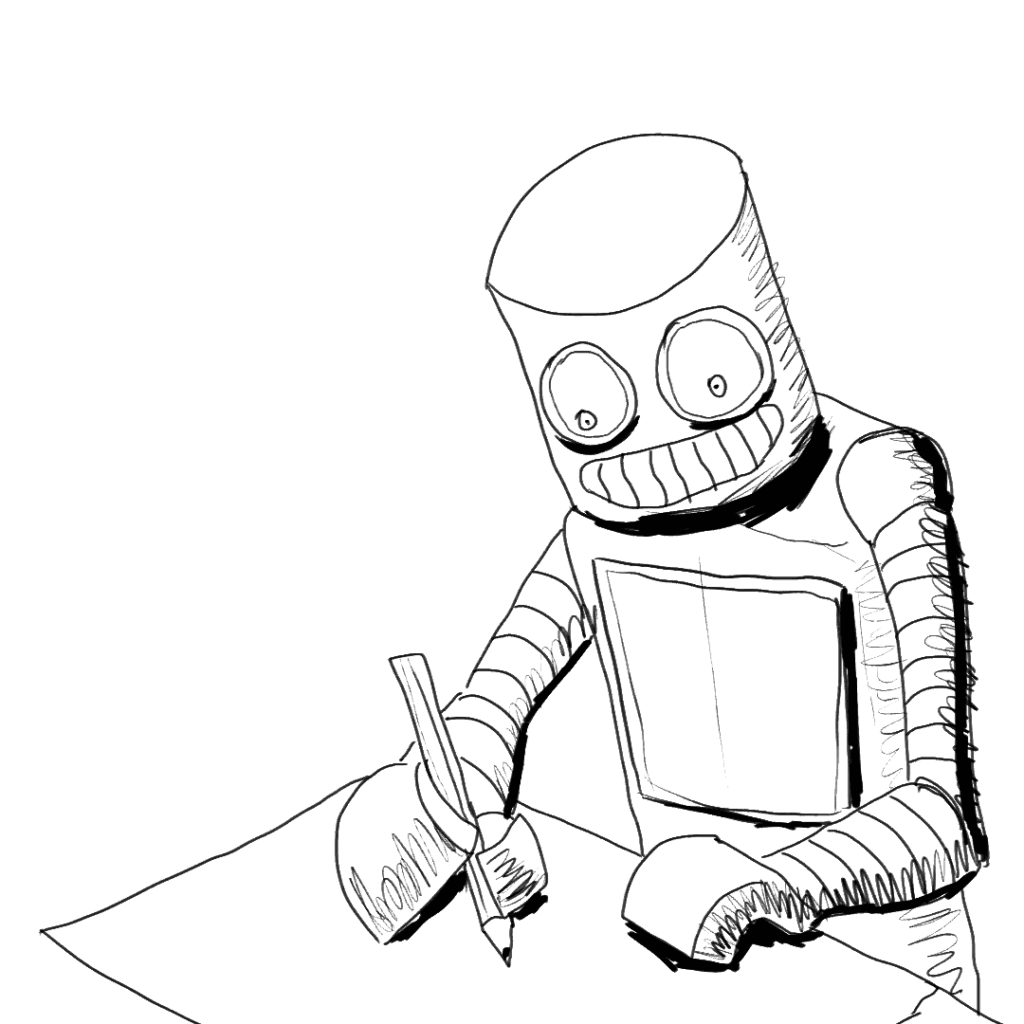
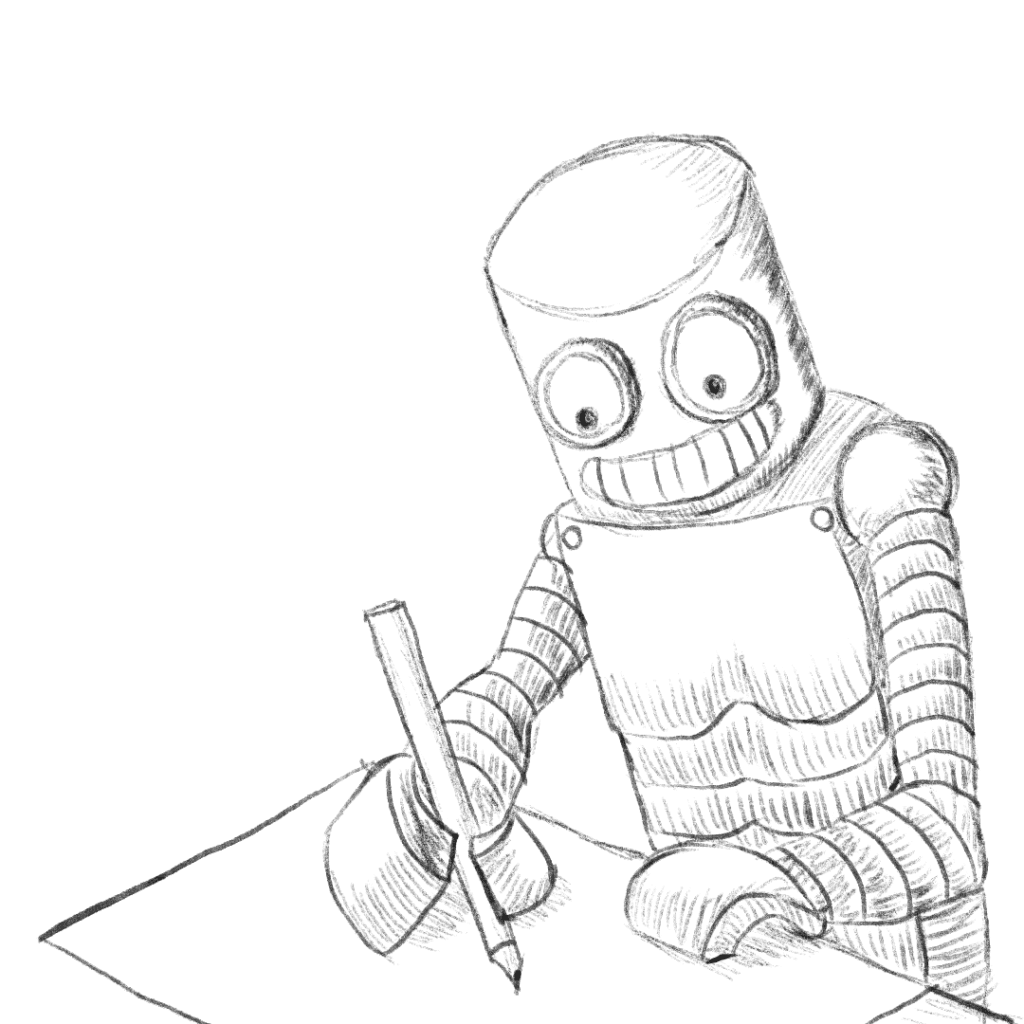
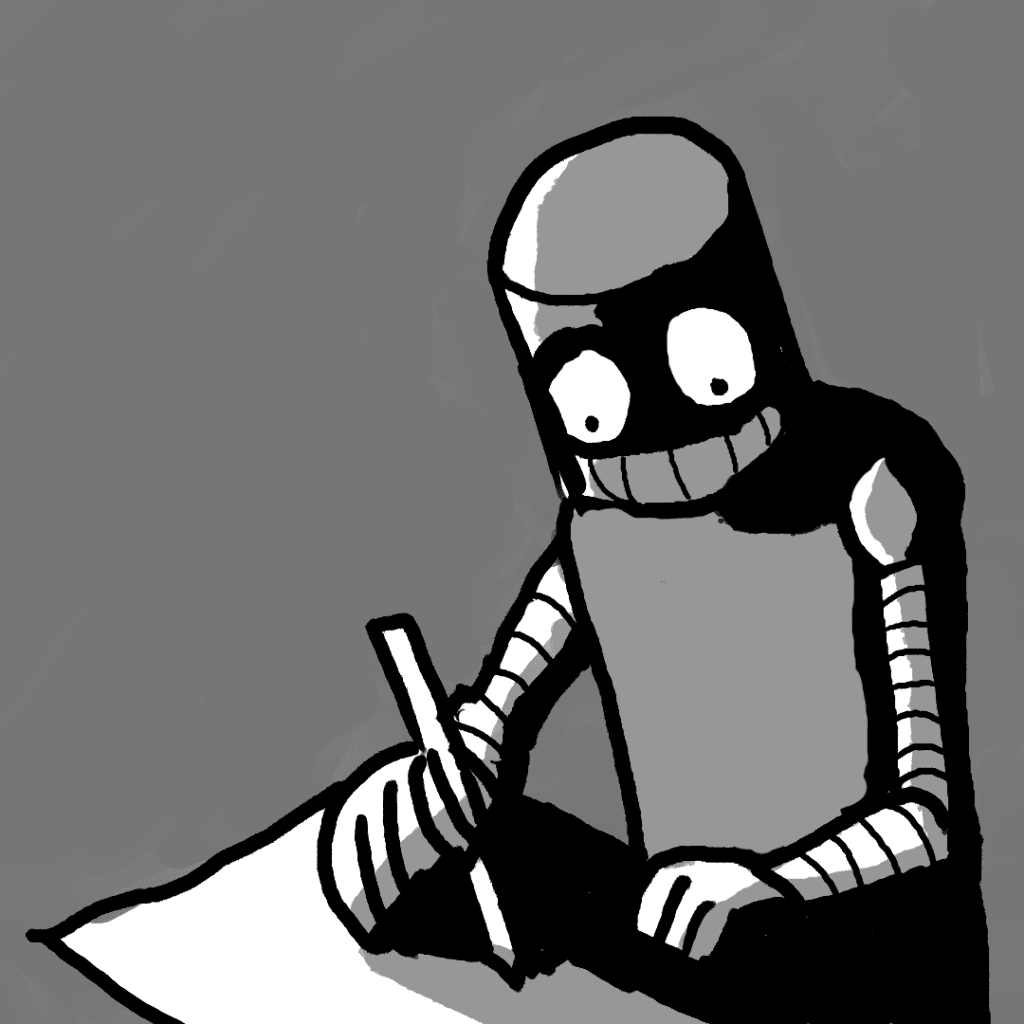
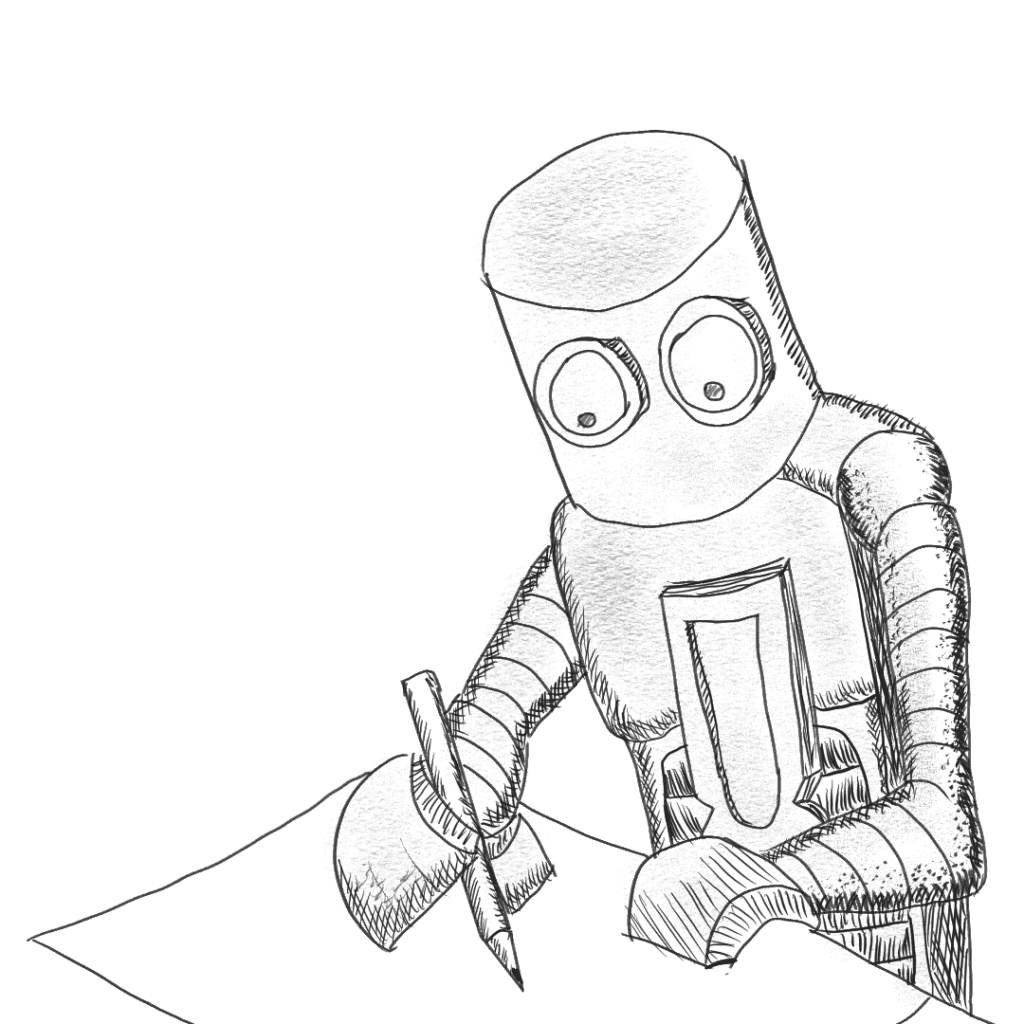
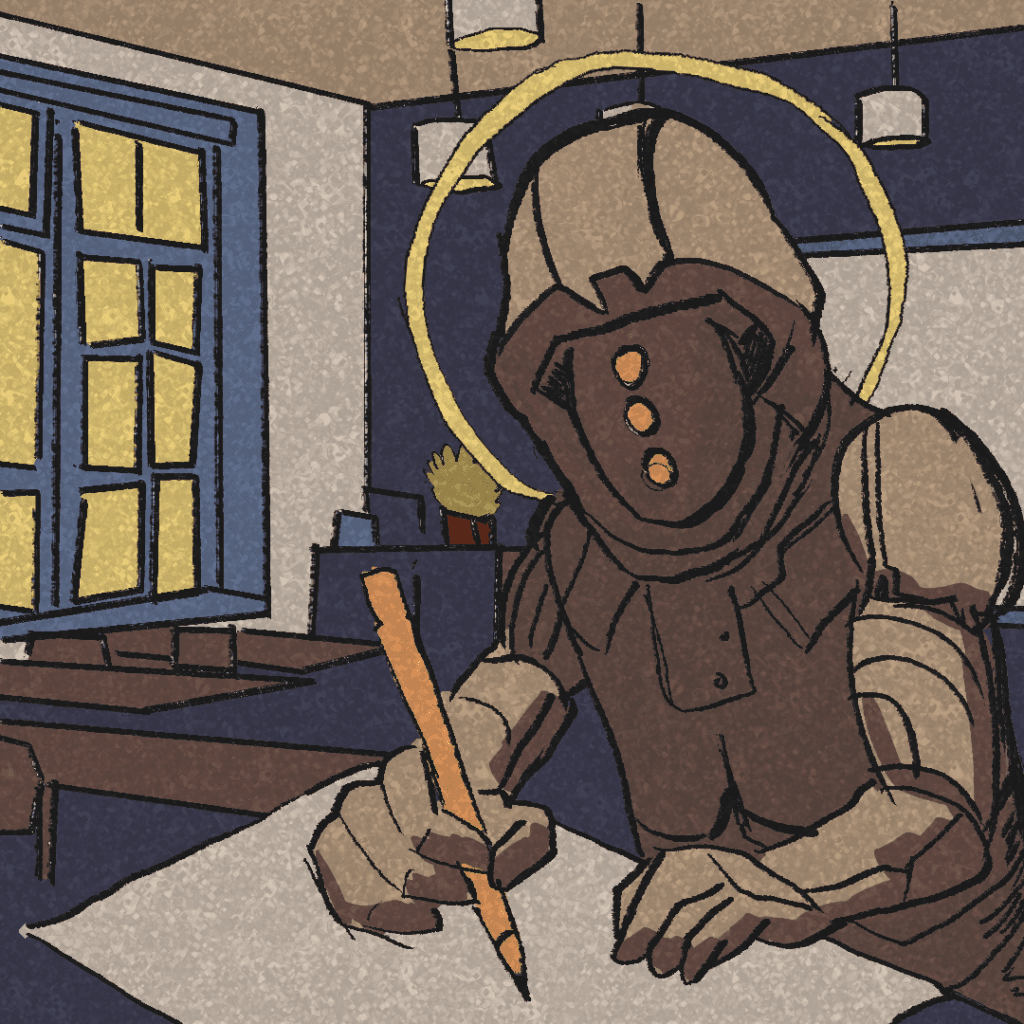
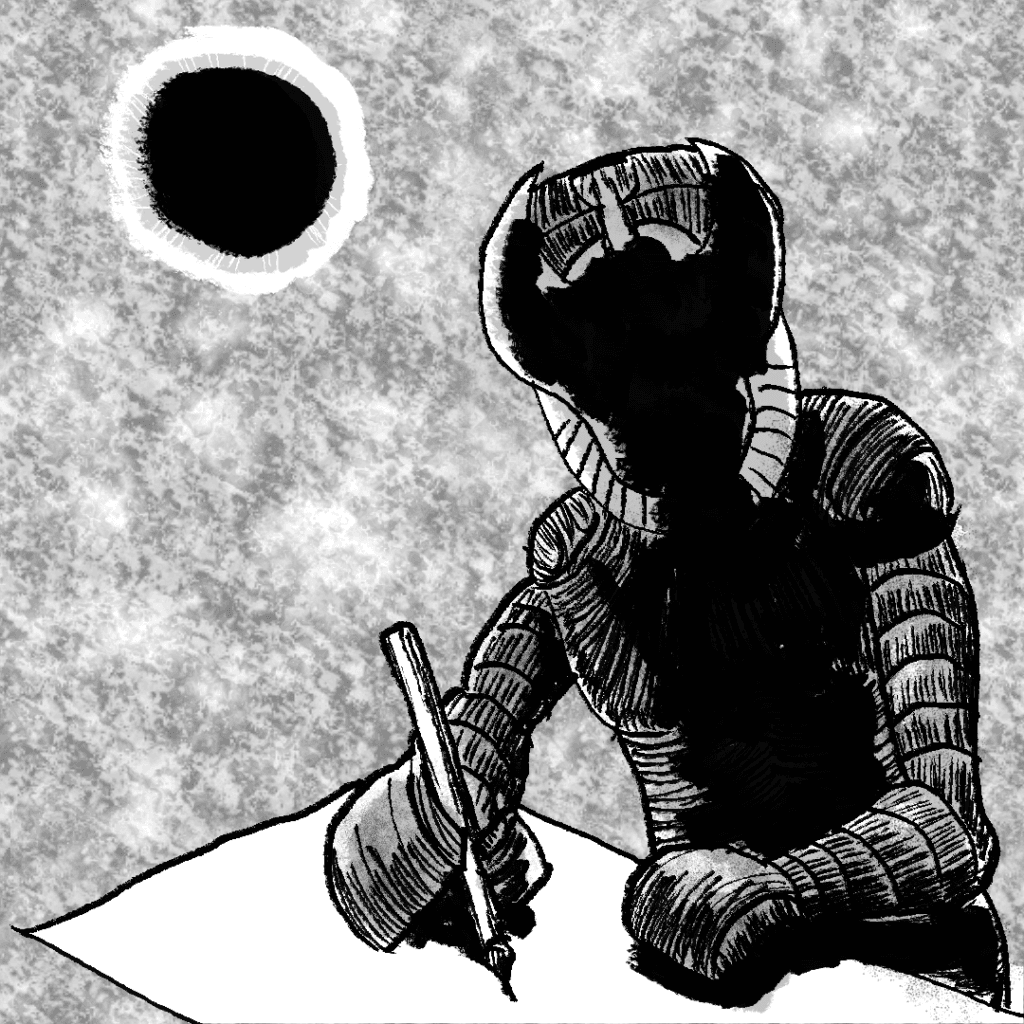
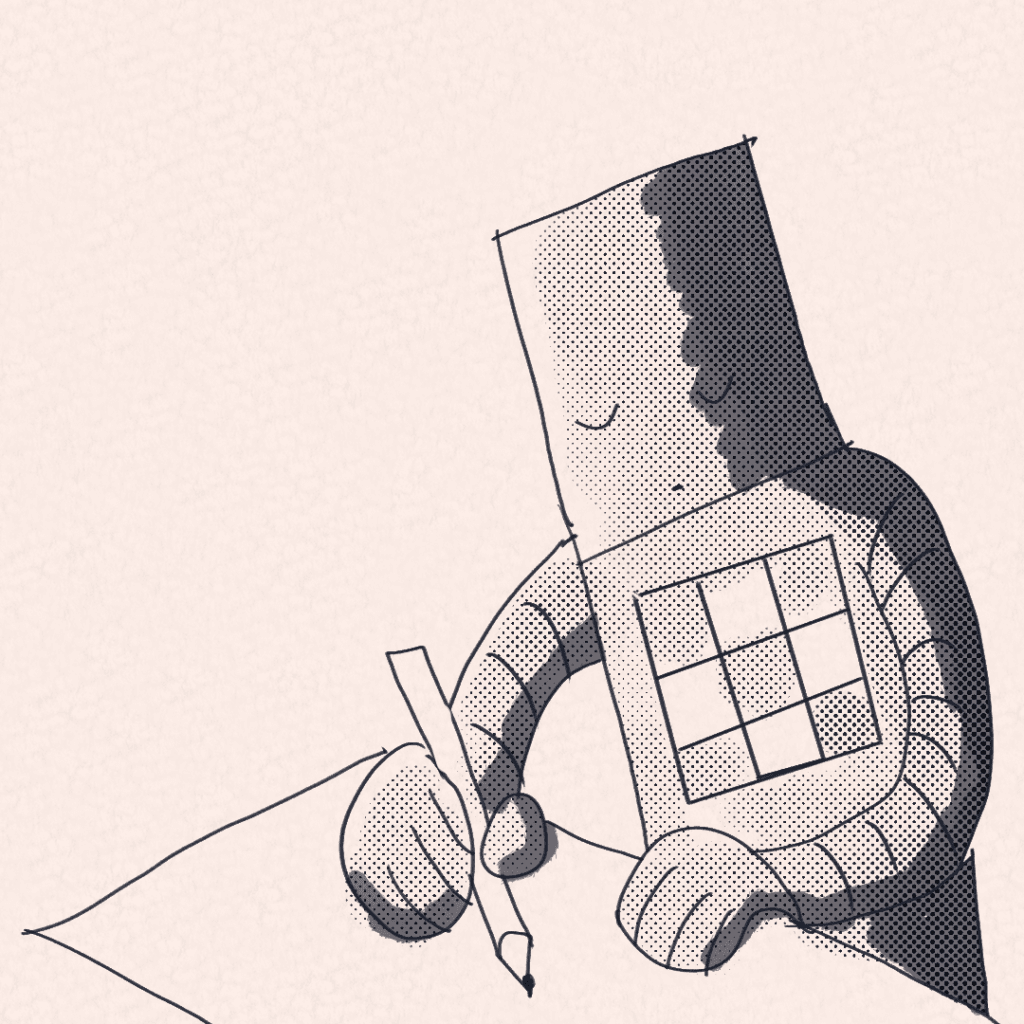
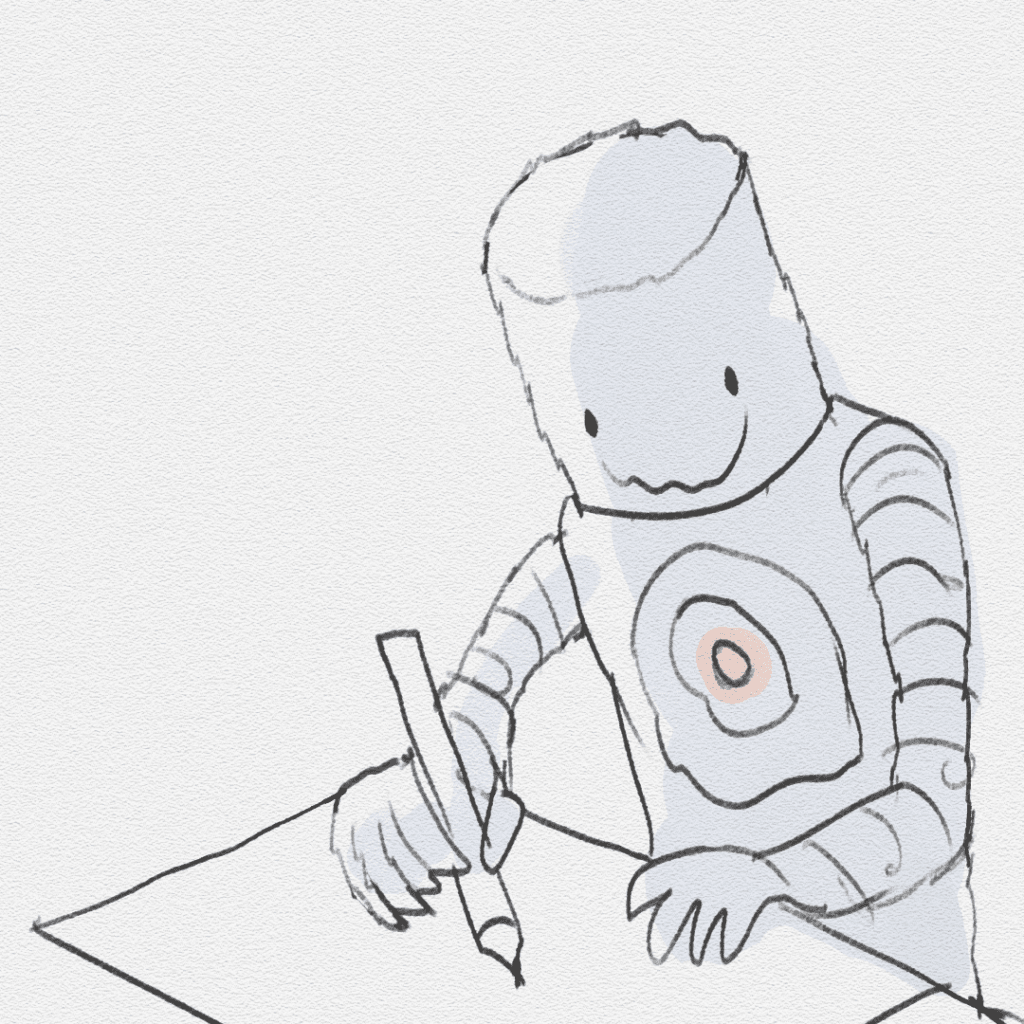
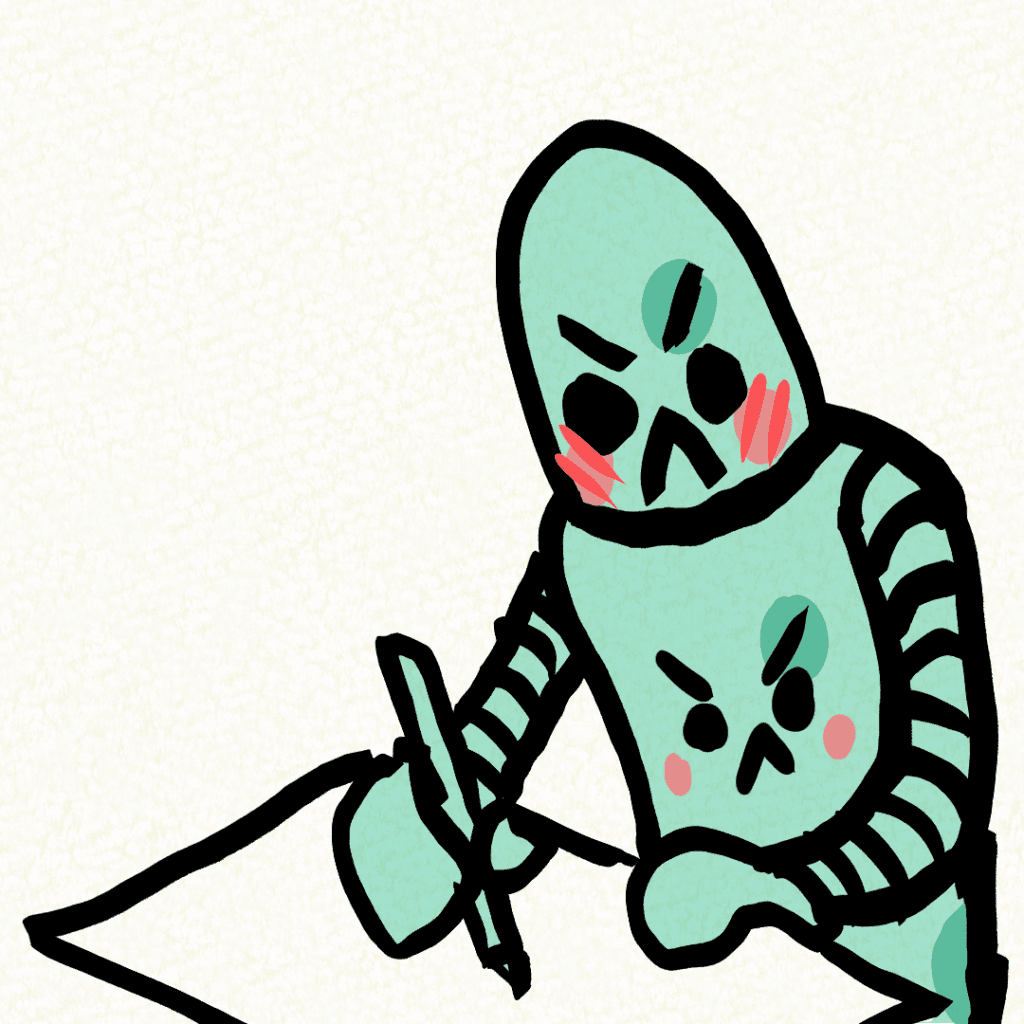
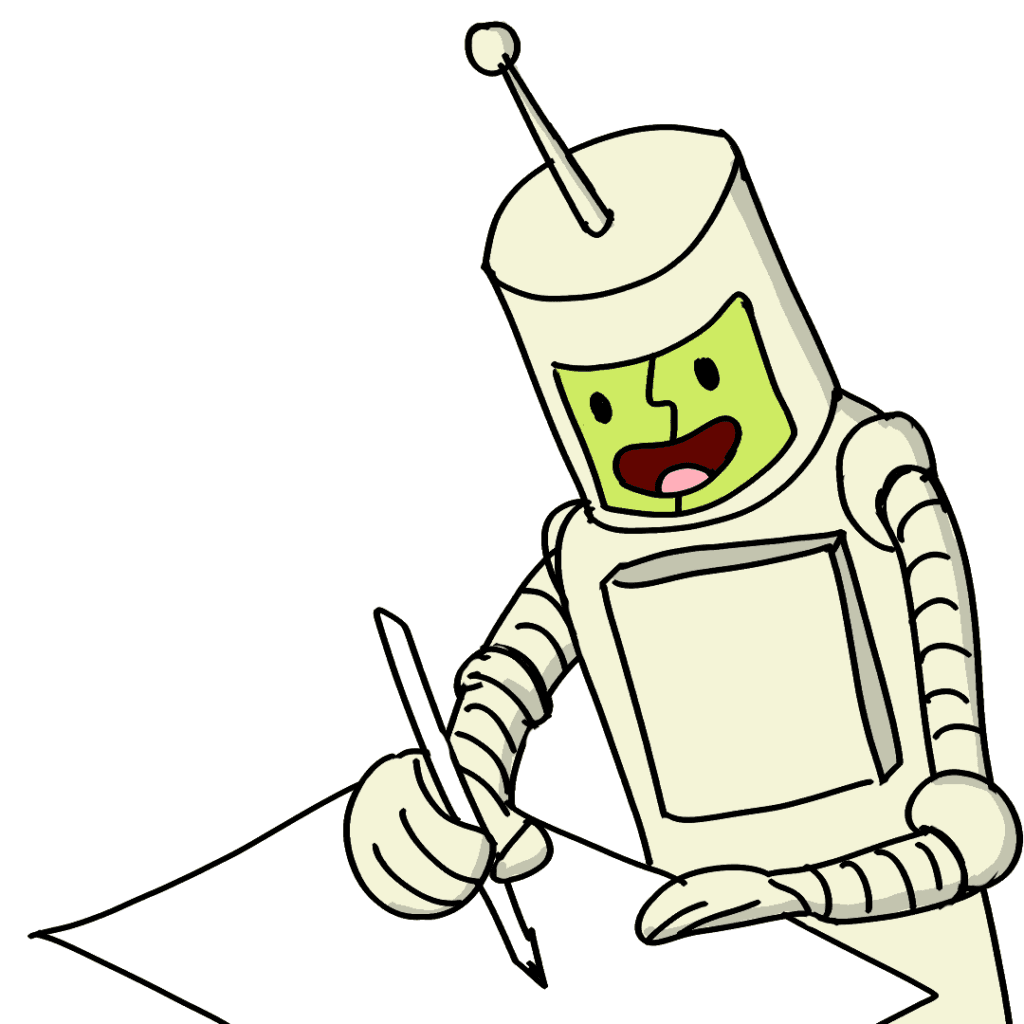
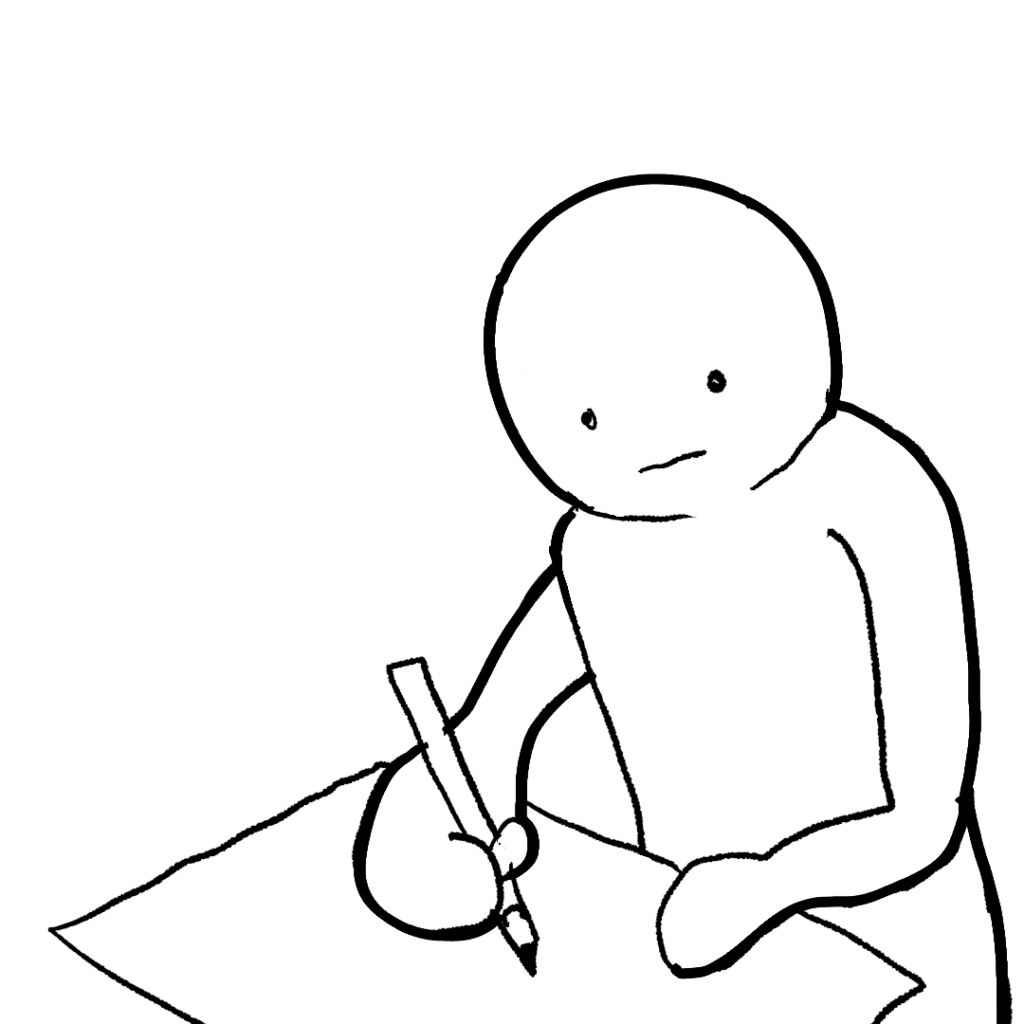
    The 12 drawings throughout this post were inspired by DREWSCAPE’s video on making custom art styles for comics. With each drawing, I tried to (poorly) capture the style of an artist I admire. Super fun exercise I recommend every artist to try out!
    1. Gipi
    2. Paolo Parante
    3. Steve Emond
    4. RK Post
    5. Baka Arts
    6. Kentaro Miura
    7. Roman Muradov
    8. Quetin Blake
    9. Angryfrog
    10. Monster and Beer
    11. Adventure Time
    12. Master Tingus

  • Out of Sight, Out of Mind

    Out of Sight, Out of Mind

    About a year ago, I disabled most Facebook notifications on my phone. I wouldn’t be notified unless they were activities directly involving me, like tags or comment replies. This meant I received almost no notifications from Facebook and opened the app less.

    After a few months of reduced Facebook usage, I decided it didn’t need a spot on my home screen and removed it. And now, I don’t even think about Facebook when I’m using my phone anymore. I think I cut down my Facebook usage by like 99%.


    Earlier this year, I was looking around for a new Android launcher and a post on Reddit caught my attention. It was a launcher called Niagara and it promised a new way to use my phone while allowing me to maintain my minimalist setup. Since there was a free version, I gave it a shot.

    Setting it up was easy, all I had to do was pin my favorite apps. They recommend a max of 8 apps so you can access all of them without scrolling, but there’s no limit to how long you want the list to be. After that, you’re good to go.

    Initially, it felt weird to be using my phone with so few apps available to access from the home screen. I felt restricted. I was constantly adjusting my pinned apps list to show the apps that were essential to me. However, since I loved the launcher’s aesthetics, I continued using it. After a couple of days, I learned to embrace this self-imposed limitation.

    Because I only had access to essential apps on my favorite list, this meant I didn’t have any time-wasting apps on my home screen. The added friction of having to scroll through a list to find an app was good enough to deter me. Consequently, I stopped wasting so much time on my phone.


    A couple of months ago, Reddit killed third-party apps and one of the casualties was Reddit is fun, an app I had been using for over a decade. I chose not to download the official app (because it’s trash) and continued to browse Reddit using old.reddit.com. It was no RIF, but still better than the official experience.

    Since accessing Reddit now meant opening the browser and then loading up the site, this added friction caused a significant reduction in my Redditing habit. Over time, I stopped browsing Reddit on my phone and my toilet breaks have become 90% shorter. I guess I can thank Reddit for a healthier anus now.

    Now for entertainment during a meal, I read an ebook instead (yay). Also, it just occurred to me that using the phone in the toilet and then taking it out during a meal doesn’t seem the most hygienic of activities 🤔


    But like all good things, there’s always something to balance it out. As a result of having more time to do other things on my phone, I find myself reaching for it just to play a quick game of Six Match more frequently than before.

    To be honest, I don’t even know why I play it – the game isn’t getting updated, I’m not getting higher scores, and there is no benefit to playing it other than to give me something to swipe while waiting for something else to happen.

    After writing this paragraph, I decided to delete Six Match (again). But in the back of my mind, I know I’ll find some other way to waste time in the future. It’s my forte.


    Am I recommending you clean up your phone? No, but if you find yourself addicted to your phone and it’s affecting you negatively, it’s something you could consider. The superior option is to improve your self-control.

    By the way, there’s no need to use a fancy launcher to do what I did – you can simply remove things from your home screen manually, or put them into folders. How you do it isn’t important, as long as you achieve the intended result. However, Niagara does look sweet.


    I guess this concludes my Android phone check-in. Who knows what it’ll look like in another few years?

    2023